
ISLAMABAD IMAMBARGAH BLAST
Kashif Bangash
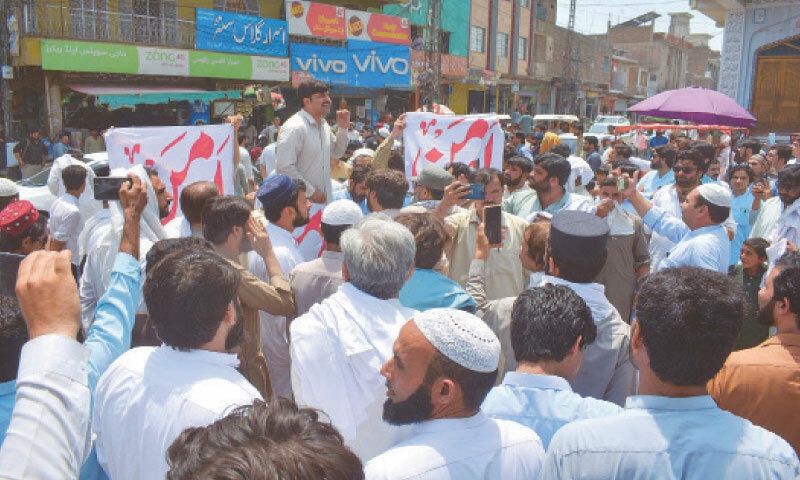
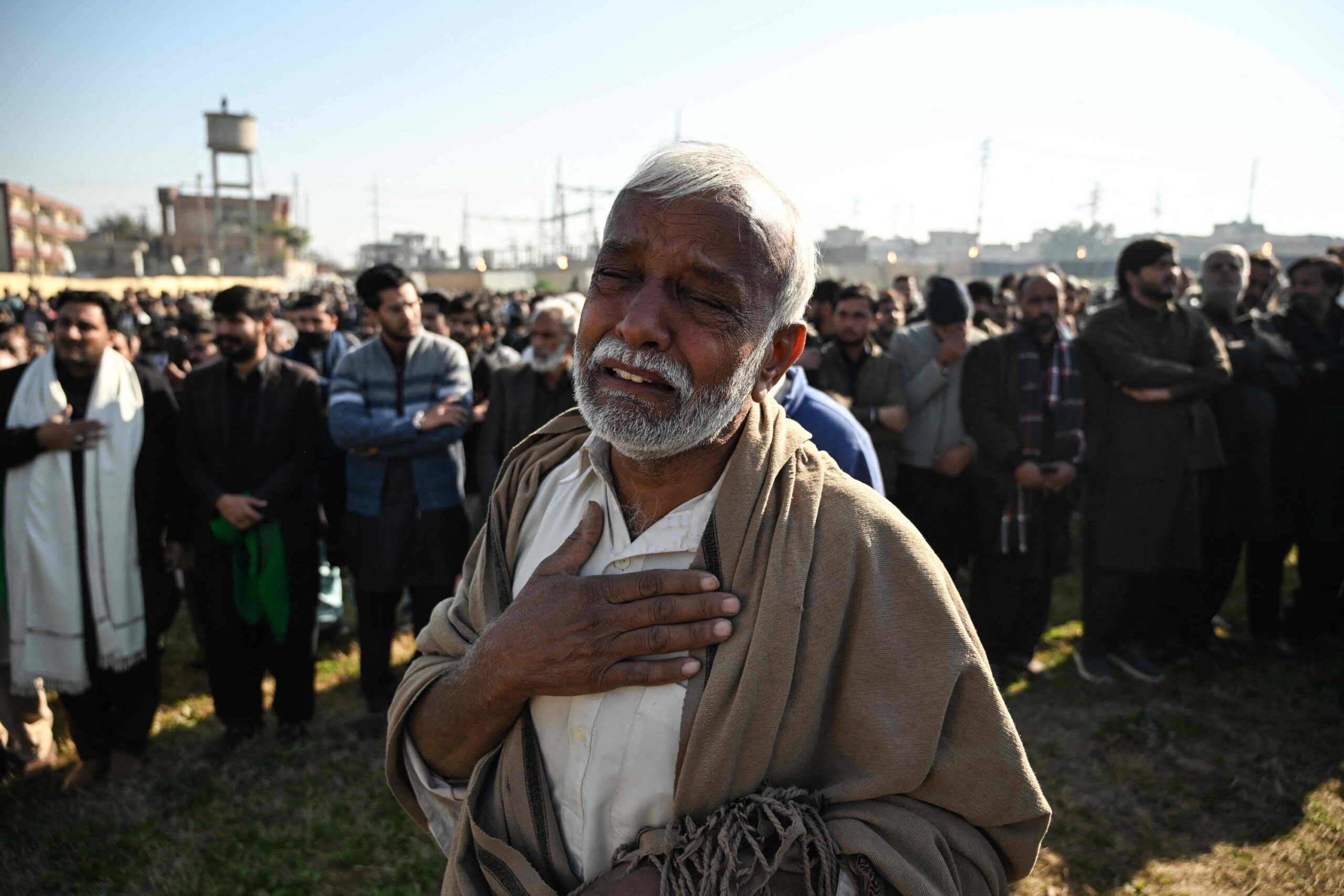
On 6 February, a suicide attack was carried out at the Shia mosque, Imambargah Khadijah-tul-Kubra, located in the Tarlai Kalan / Shehzad Town area of Islamabad, the capital of Pakistan. The incident occurred during Friday prayers, when worshippers were gathered inside the mosque.
According to figures released by the Ministry of Interior, at least 36 people have been killed and more than 169 others injured. Casualty figures may be subject to further verification.
The incident as the second-largest attack reported within the federal capital in recent months.
Pakistani security officials indicated that the assailant was identified upon entry and was confronted by security personnel. The attacker reportedly opened fire before detonating the explosive device he was carrying, resulting in significant casualties among congregants and responders.
Following the attack, emergency response and security personnel were immediately deployed to the vicinity of Imambargah Khadijah-tul-Kubra. Authorities reported that rescue teams reached the site within approximately 10–12 minutes of the explosion and commenced evacuation of the injured to nearby medical facilities. Initial response operations were carried out jointly by Police, Emergency Medical Services, and Civil Defence units to stabilize the situation and secure the area.
Subsequently, the mosque and its surrounding perimeter were placed under a strict security cordon, with all entry and exit points brought under controlled access. The district administration confirmed that the site was formally sealed to facilitate forensic and evidence collection procedures. Civilian movement in the immediate vicinity was temporarily restricted to preserve the integrity of the investigation and to ensure public safety.
PERPETRATOR Profile.
The suicide BOMBER was a Pakistani national. According to official statements, forensic and security investigations established that the individual had travelled to Afghanistan on multiple occasions. The Federal Minister for Interior, Talal Chaudhry, publicly clarified that the attacker was not an Afghan citizen, while noting that forensic analysis confirmed his repeated cross-border travel.
Security sources further indicated that the assailant had conducted prior reconnaissance in the vicinity of the mosque. On the day of the incident, he reportedly opened fire when intercepted by security personnel attempting to prevent his entry.
Arrests & NATIONWIDE OPERATION.
Following the incident, Pakistani security and intelligence agencies initiated a comprehensive and multi-agency investigation. Authorities announced coordinated operations across multiple jurisdictions aimed at identifying and apprehending individuals potentially linked to the attack. Targeted raids were conducted in several cities, including Islamabad, Rawalpindi, Peshawar, Nowshera, and Karachi.
According to security sources, at least four individuals described as “facilitators” were detained in the course of the investigation. Authorities assess that these individuals provided varying forms of support to the attacker, including accommodation, transportation, and logistical assistance. Those apprehended reportedly include close relatives of the perpetrator, with arrests carried out in parts of Khyber Pakhtunkhwa, including Peshawar and Nowshera.
During one of the operations in Nowshera, a gunfight erupted between security forces and armed individuals, resulting in the death of one Police Officer and injuries to several security personnel.
IN retaliation – ISIS/DAESH claimed responsibility for the attack.
Amazingly, information emerged that a group linked to ISIS/DAESH claimed responsibility for the attack. Security sources and international news agencies reported that the group identified as DAESH’s Pakistan wing had asserted responsibility for the assault.
The Pakistani military and security agencies stated that their investigation concluded the attack was connected to the DAESH network based in Afghanistan.
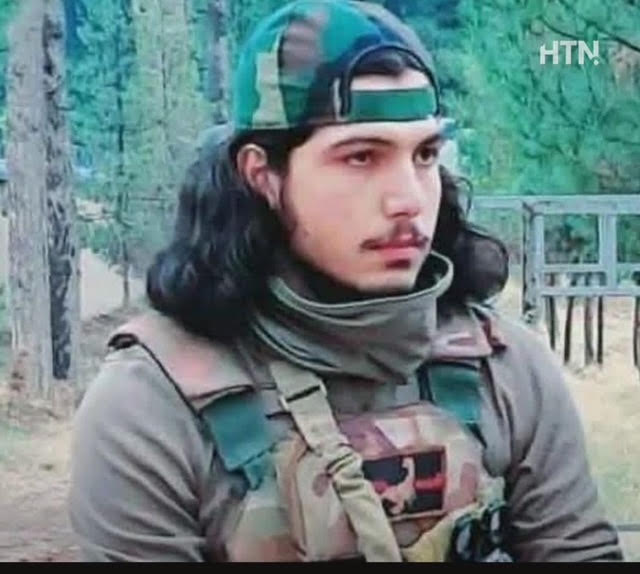
Contradictory TO THE PAKISTAN INVESTIGATION CLAIM, the group’s claim, the attacker was identified as Saifullah Ansari, who allegedly opened fire on civilians before detonating a suicide vest in a crowded area.
IS Strategic Messaging
The so-called Islamic State (IS) claimed responsibility for the attack in Islamabad, stating that it was intended to target members of the Shia community in Pakistan. In its narrative, the group alleged that Pakistani Shias are collaborating with Iran and the Syrian government in actions against Sunni groups in Syria. IS framed the attack as retaliatory in nature, linking it to the broader transnational sectarian dimension of the Syrian conflict.
Beyond its immediate human toll, the attack carries significant strategic implications. Conducting a high-casualty operation in Islamabad demonstrates the group’s operational reach and intent to project capability within a heavily secured and symbolically important urban center.
The incident appears designed not only to inflict casualties but also to signal continued relevance, resilience, and the ability to penetrate high-profile targets within Pakistan.
security standpoint
From a security standpoint, the attack may have broader implications for the militant landscape in Pakistan. Such operations can serve as a source of inspiration or operational encouragement for other armed groups, including Tehrik-i-Taliban Pakistan (TTP) and Baluchistan-based militant organizations (BLA).
According to emerging reports, elements of the Baluchistan Liberation Army (BLA) and Tehrik-i-Taliban Pakistan (TTP) may be exploring avenues for coordinated or parallel operations in Khyber Pakhtunkhwa (KP) and Baluchistan. While these reports remain subject to verification and there is no confirmed evidence of a formalized alliance at this stage, the possibility of increased tactical convergence warrants close monitoring.
Any operational coordination whether formal or informal could extend into northern and north-eastern districts of Baluchistan, particularly areas with significant Pashtun populations that geographically and socially interface with southern KP. These border-adjacent regions have historically experienced militant movement, facilitation networks, and overlapping influence between insurgent actors.
Even limited alignment such as synchronized attack timing, shared logistics, intelligence facilitation, or deconfliction of operational spaces could significantly elevate the threat environment.
Coordinated or geographically dispersed attacks across KP and Baluchistan would amplify psychological impact, strain provincial security resources, and complicate response coordination. As such, continued monitoring of cross-provincial militant activity, propaganda signaling, and facilitation networks remains critical in assessing the trajectory of potential inter-group collaboration.
If sectarian extremist actors and ethno nationalist insurgent groups were to align tactically whether through shared logistics, intelligence facilitation, or parallel operations, the cumulative impact could pose complex and multi-layered challenges for state security institutions. Such a scenario would risk expanding both the geographic scope and the lethality of militant activities.
Sectarian Dynamics and Transnational Context
The ideological justification presented by IS draws from the broader sectarian dimensions of the Syrian conflict. Armed formations such as Liwa Zainabiyoun (comprising Pakistani Shia fighters) and Liwa Fatemiyoun (comprising Afghan Shia fighters) have participated in support of the Syrian government, including the defence of Shia religious sites such as the Sayyidah Zaynab shrine in Damascus. These groups are frequently described as part of a wider regional network aligned with Iranian strategic interests.
Extremist Sunni organizations, including IS affiliates, have characterized members and perceived supporters of these groups as adversaries. Attacks against Shia communities in countries such as Pakistan are often framed by IS as acts of retaliation for participation in the Syrian conflict. This reflects a broader pattern in which regional proxy dynamics generate transnational sectarian repercussions.
Risk of Sectarian Polarization
Pakistan has historically experienced episodes of Sunni–Shia sectarian violence, particularly in parts of Khyber Pakhtunkhwa and Baluchistan.
Pakistan has experienced ongoing sectarian violence between Sunni and Shia Muslims. Militant organizations, including the TTP and ISKP, have claimed responsibility for similar attacks in the past, often during religious gatherings.
The bombing occurred against a backdrop of heightened militant activity in Pakistan, including recent attacks in Baluchistan and other provinces. Islamabad, is typically considered secure due to extensive military and police presence, making such incidents uncommon.
In July 2024, a similar attack occurred in Muscat, the typically terror-free capital of Oman, against Shia Pakistan worshippers. The reactivation of sectarian narratives linked to external conflicts increases the risk of localized polarization, retaliatory violence, and community-level tensions. If exploited by militant actors, such narratives could contribute to renewed cycles of sectarian confrontation across multiple regions.
In summary, the Islamabad attack appears to be positioned by IS not only as an act of violence but as part of a wider ideological and strategic messaging campaign tied to regional conflicts. The incident underscores the intersection of domestic militancy with transnational sectarian narratives and highlights the need for sustained preventive measures, intelligence coordination, and community engagement to mitigate escalation risks.
TTP IDEOLOGY.
While Tehrik-i-Taliban Pakistan (TTP) adheres to a Deobandi militant ideology that has historically been hostile toward Shia groups at the doctrinal level, the organization has, in recent years, publicly distanced itself from large-scale sectarian attacks targeting Shia mosques and civilian religious gatherings.
TTP leadership statements have emphasized a strategic focus on the Pakistani state and security forces rather than on sectarian mass-casualty operations against Shia worshippers.
CHALLENGES & STRATEGIC OUTLOOK.
TTP’s current positioning prioritizing attacks against the Pakistani state and security forces rather than sectarian mass-casualty attacks has important implications for Pakistan’s threat environment. While this strategic recalibration may reduce the likelihood of centrally directed attacks on Shia mosques by TTP leadership, it does not eliminate sectarian risk.
Instead, it shifts the primary sectarian threat profile toward groups such as Islamic State Khorasan Province (ISKP), which explicitly prioritizes anti-Shia violence. This divergence creates a dual-track threat environment:
- State-focused insurgency threat (TTP)
- Sectarian mass-casualty terrorism threat (ISKP)
The coexistence of these dynamics increases overall instability, particularly in areas where militant ecosystems overlap, such as KP and parts of Baluchistan.
TTP is not a monolithic entity. Historically, splinter factions and semi-autonomous commanders have diverged from central guidance. Even if the central leadership refrains from sectarian targeting, rogue elements or breakaway factions could engage in sectarian violence.
Although ideological differences exist between TTP and ISKP, tactical convergence cannot be entirely ruled out in high-pressure environments. Shared logistics networks, overlapping recruitment pools, and informal facilitation channels may create indirect operational linkages.
Sectarian Polarization.
ISKP’s deliberate targeting of Shia communities aims to provoke retaliatory dynamics and widen sectarian divides. Even if TTP avoids direct sectarian attacks, escalation triggered by ISKP operations could create an environment of communal tension that indirectly benefits insurgent actors by diverting state resources and fragmenting social cohesion.
Meanwhile, High-profile attacks in major cities, including Islamabad, demonstrate that militant actors retain the capacity to operate beyond traditional conflict zones. This raises concerns regarding intelligence gaps, urban sleeper cells, and facilitation networks.
Based on current trends, TTP maintains its focus on security forces and state infrastructure, while ISKP continues sectarian mass-casualty attacks. This scenario sustains parallel but distinct threat streams.
Strategic Outlook, although TTP’s current central messaging does not prioritize sectarian mass-casualty attacks, the broader militant ecosystem remains ideologically polarized and operationally fluid. Accordingly, continued monitoring of inter-group dynamics, recruitment patterns, propaganda messaging, and cross-border linkages remains critical to anticipating shifts in the threat trajectory.
In Conclusion, over the next 6 to12 months, KP is likely to remain the Primary theatre of militant violence in Pakistan, driven largely by sustained insurgent activity by TTP, alongside the continued presence of ISKP.
TTP is expected to maintain pressure on security forces through IED attacks, targeted killings, and assaults on checkpoints, particularly in districts bordering Afghanistan. In parallel, ISKP may attempt sectarian mass-casualty attacks targeting Shia communities, especially during religious gatherings, with the intent of provoking polarization and demonstrating operational reach. While a formal alliance between these groups remains unlikely, parallel or near simultaneous attacks could amplify insecurity and strain provincial security resources.
In Islamabad, the overall threat environment is assessed as moderate but strategically significant. The federal capital is unlikely to face sustained insurgent activity; however, it remains vulnerable to sporadic, high-impact attacks designed for symbolic and psychological effect.
Following the recent Imambargah attack, the risk of further attempts against religious sites, government installations, diplomatic premises, or other soft urban targets remains elevated. Such attacks would likely be designed to demonstrate continued operational capability, generate psychological impact, and undermine public confidence in the security architecture of the federal capital. While the frequency of such incidents in Islamabad is expected to remain relatively limited due to heightened security measures, any successful attack would carry significant national and international visibility.
In the current context, militant groups may also seek to recalibrate their targeting patterns in response to recent counter-terrorism operations, including the disruption of planned high-impact attacks, arrests of senior operatives linked to Tehrik-i-Taliban Pakistan (TTP), and the reported killing of a TTP–ISKP-linked commander (Mullah Bujran). Periods following leadership losses or operational setbacks can increase the risk of retaliatory or demonstrative attacks intended to signal resilience, restore morale, or reaffirm relevance.
Although there is no specific indication of imminent targeting of international entities, diplomatic missions, UN offices, and international organizations should maintain heightened vigilance. Urban symbolic targets particularly those with international association may be perceived by extremist actors as high-value due to the amplified media and geopolitical impact of such incidents.
In Baluchistan, the threat outlook remains high and multifaceted. The province is expected to continue experiencing insurgent activity from groups such as the Baluchistan Liberation Army (BLA), targeting security forces and strategic infrastructure, alongside sectarian attacks attributed to ISKP, particularly against vulnerable Shia populations.
The convergence of ethnonationality insurgency and sectarian militancy creates a complex security environment, especially in urban centres such as Quetta and along key transit corridors.
Over the coming year, the most plausible scenario across all three regions is continued differentiated but overlapping militant activity state-focused insurgency in KP, symbolic high-profile targeting in Islamabad, and a hybrid insurgent sectarian threat environment in Baluchistan.
The current threat trajectory suggests that while sustained urban insurgency in Islamabad remains unlikely, the risk of sporadic, high-impact attacks particularly in the aftermath of counter-terrorism pressure requires continued vigilance and proactive mitigation measures.
Summary – The Islamic State, or Daesh.
• The Islamic State, or Daesh, formally established its Khorasan branch for Pakistan, Afghanistan, and nearby areas in January 2015.
• There is currently no evidence of Daesh’s central leadership directing terrorist activities in Pakistan, but its ideology has inspired individuals and groups to recruit, raise funds, and carry out attacks to demonstrate their support.
• Daesh’s far-reaching ideology which includes opposition to the Shia minority, the Pakistani state, and the West, and support for a global Islamic Caliphate can make it appealing to both existing and potential militants in Pakistan.
• A comprehensive response to this threat by the Pakistani government would include greater security cooperation with Afghanistan, the elimination of terrorist safe havens, prioritizing police training in national counterterrorism strategies, and promoting programs to counter Daesh’s dangerous ideology.
END