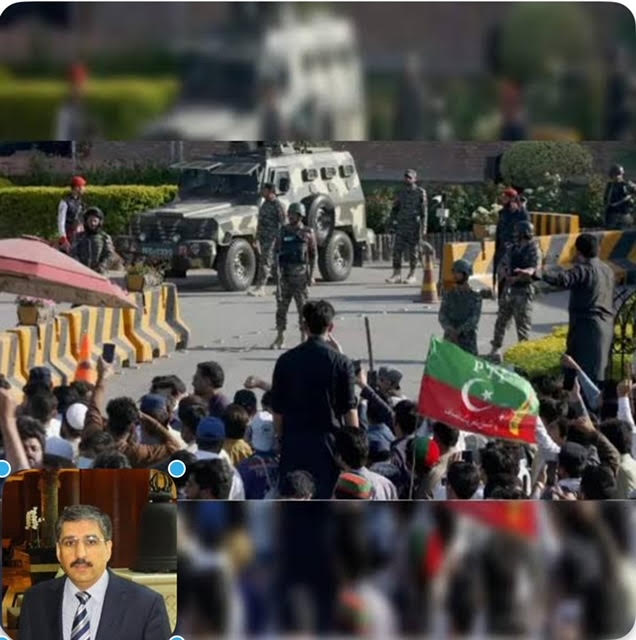

Dr. Naveed Elahi
For decades, Pakistan has faced criticism for its historical relationship with the Afghan Taliban during the U.S.-led invasion of Afghanistan. Throughout those twenty years, senior Taliban leaders and thousands of their fighters found sanctuary in Pakistan, with the Taliban’s political and military council in Quetta — widely known as the Quetta Shura — becoming symbolic of this reality. Retrospectively, this policy can be viewed as a strategic miscalculation. The decision was influenced by religious affinity, shared ethnicity, cultural proximity, and geopolitical calculations aimed at securing Pakistan’s western frontier.
US backed Karzai Support to Taliban
While these factors shaped Pakistan’s earlier posture, another dimension of that period remains murkier. President Hamid Karzai’s government, backed by the United States, reportedly engaged in complex and inconsistent relations with Taliban elements. At various points, Karzai’s administration conducted secret negotiations and even released Taliban prisoners from Afghan detention — a practice mirrored internationally under the 2020 Doha Agreement, which saw over 5,000 Taliban prisoners released as part of the U.S.-Taliban withdrawal framework. Hamid Karzai had let the Taliban recapture many areas outside Kabul and Kandahar. The result was that they became well-entrenched and managed to capture the power as soon the US left the country. Ironically, after the Taliban came into power, Hamid Karzai remained in Kabul and was not harmed whereas the then President Ashraf Ghani had to flee away from the country. He was forgiven rather rewarded for his double game which kept Taliban afloat. Now, out of nowhere, during this clash between Pakistan and Afghanistan, Karzai has popped up from his seclusion and vehemently criticised Pakistan.
Misreading the Relationship Between Afghan Taliban and TTP
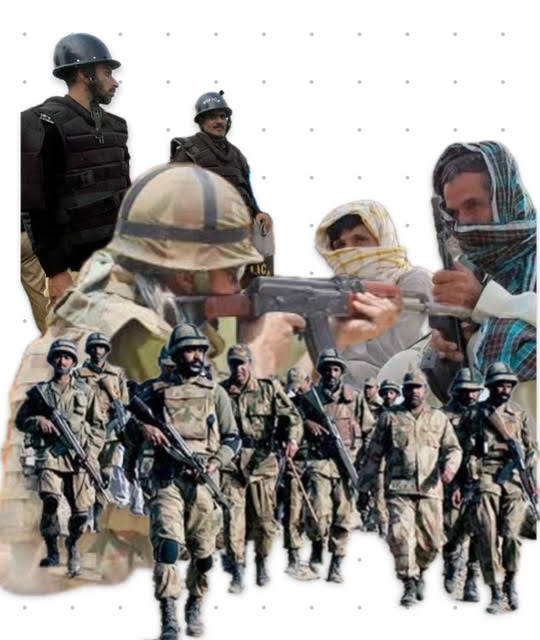
A critical misunderstanding that has severely affected Pakistan’s security calculus is the assumption that the Tehreek-e-Taliban Pakistan (TTP) and the Afghan Taliban were fundamentally distinct. In reality, these groups have long-standing ideological and operational linkages, and both have expressed hostility towards the Pakistani state. After the Afghan Taliban assumed control of Kabul in 2021, they reportedly did little to dismantle TTP safe havens. Instead, the Taliban government in Kabul released thousands of TTP prisoners from their jails. Even Daesh prisoners were released. They never bothered to share their details with Pakistan. Rather provided shelter, legitimacy, and unmonitored freedom of movement to TTP militants, who used Afghan territory as a base to regroup and launch renewed attacks inside Pakistan.
Research indicates that since the Taliban’s return to power, the TTP has become significantly more active and dangerous, exploiting the border’s porous nature and weak governance along Afghanistan’s eastern provinces. This has reversed the gains Pakistan made in suppressing militancy during earlier military operations, which had significantly reduced the TTP’s territorial presence within Pakistan itself.
This reality has compounded Pakistan’s internal security crisis. Militant attacks increased sharply in recent years, contributing to the deadliest cycle of violence in over a decade. It has also eroded confidence in negotiated approaches that lack enforceable guarantees, as previous ceasefire talks with the TTP collapsed in 2022 without lasting effect.
The Role of External Actors and Ideological Influence
Another dimension that Pakistan must acknowledge is the historical and ideological influence of global jihadist networks such as al-Qaeda. As documented in jihadist literature and strategic dialogues, senior al-Qaeda ideologues such as Dr. Ayman al-Zawahiri and strategist Abu Bakr Naji advocated for the destabilisation of Pakistan in order to create recruitment opportunities and weaken governments deemed insufficiently “Islamic.” While these writings are ideological rather than operational blueprints, they have resonated with militant currents that reject the Pakistani state’s authority and constitutional framework. Dr. Ayman al-Zawahiri’s book, ‘ Al Subh wal Qandeel’ (The Morning and the Lamp) published in 2010 and Al Qaeda’s strategies, formulated by Abu Bakr Naji, recovered during raid on Al Qaeda Communication HQ in Gujrat, Pakistan in 2004, clearly indicate these points.
The nexus between the Afghan Taliban and al-Qaeda has historically existed and was recognized in the conditions of the 2020 Doha Agreement, which obliged the Taliban to prevent al-Qaeda from operating in areas under their control — a pledge that has faced scrutiny and debate since 2021. By the way, Dr. Ayman al-Zawahiri was killed in a US done attack on his apartment in Kabul in August 2022.
Taliban’s Disposition to Renege
The Afghan Taliban and the Afghan Mujahideen have an unenviable record of going back on their promises and violating agreements without compunction. This makes them highly unsuitable partners for meaningful dialogue aimed at achieving lasting peace.
In the past, the Afghan Mujahideen entered into a peace agreement among themselves in the holy city of Mecca, but they soon violated it and fought pitched battles for power. In 2001, Afghan Taliban leader Mullah Omar refused to heed the advice of Pakistan and Saudi Arabia—then considered their benefactors—to take steps that might have prevented an attack on Afghanistan.
In the current era, they have repeatedly reneged on their commitments to Pakistan. The TTP has followed the same pattern of violating agreements. Therefore, any talks, if undertaken, should be conducted in the presence of strong and credible guarantors.
The above factors clearly show that the situation is neither simple nor straightforward. There are greater forces working behind TTP and Afghan Taliban. Therefore, the solution will not be quick or easy. Pakistan must develop a clear strategy to address the issue in both the short and medium term. Goals should be clearly defined, and resources must be allocated accordingly to avoid frustration and fatigue.
Strategic Recommendations
At this juncture, these historical lessons should inform a revitalised counterterrorism and foreign policy strategy. Pakistan must treat both the Afghan Taliban and the TTP as persistent, perpetual threats, and calibrate responses accordingly. The following are key strategic recommendations:
1. Revise Threat Perception and Policy Posture
Pakistan should officially recognise that the TTP and Afghan Taliban — while distinct entities — have operational linkages that have undermined Pakistan’s internal security. This requires a more coherent national threat assessment that integrates counterterrorism, intelligence, and foreign policy objectives. Strategies and decisions should not be made in silos. Consensus should be developed to operate in an officially agreed manner for the next decade.
2. Strengthen Border Control and Tackling Insurgency
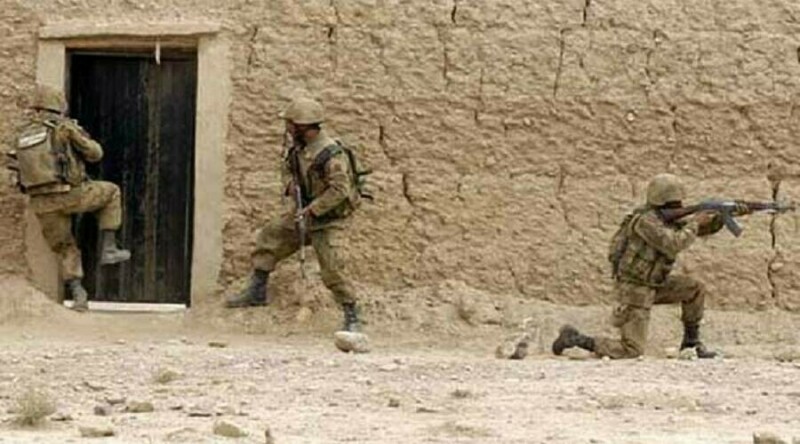
The 2,600-kilometre Durand Line remains a flashpoint for militant movements. Pakistan must enhance border monitoring, surveillance, and physical controls, while seeking engagement mechanisms that encourage Afghan authorities — or other regional partners if needed — to cooperate on denying safe havens to militants. Military should focus on the border whereas the police and civil agencies should be responsible to tackle urban terrorism and insurgency.
3. Balance Diplomatic Engagement with Credible Deterrence
Pakistan should pursue diplomatic avenues with Kabul and relevant stakeholders (e.g., China, Turkey, SCO partners) that promote security cooperation, but alongside credible deterrent capabilities. Recent escalations — including targeted intelligence-based airstrikes against terrorists in Afghanistan — demonstrate Pakistan’s willingness to act, but these measures must be carefully calibrated to avoid collateral damage.
4. Target Root Causes Domestically
A comprehensive counterterrorism policy must go beyond kinetic action. Pakistan should invest in de-radicalisation, community resilience, economic development in border regions, and targeted ideological countermeasures that weaken militant recruitment. Hearts and minds measures should be implemented persistently.
5. Broaden Regional Dialogue and Cooperation
Pakistan should champion a broader regional security framework that includes Central Asian, Gulf, and South Asian states. A multilateral approach can reduce Islamabad’s isolation, create pressure on extremist safe havens, and open channels for economic cooperation that can stabilise border regions.
6. Conditional Engagement with Non-State Actors
Any future negotiations with militant groups must be grounded in clear, enforceable guarantees, verified by third parties where possible, and tied to substantial progress on violence reduction and disarmament. It should be initiated from the position of strength.
7. Regime Change Plans
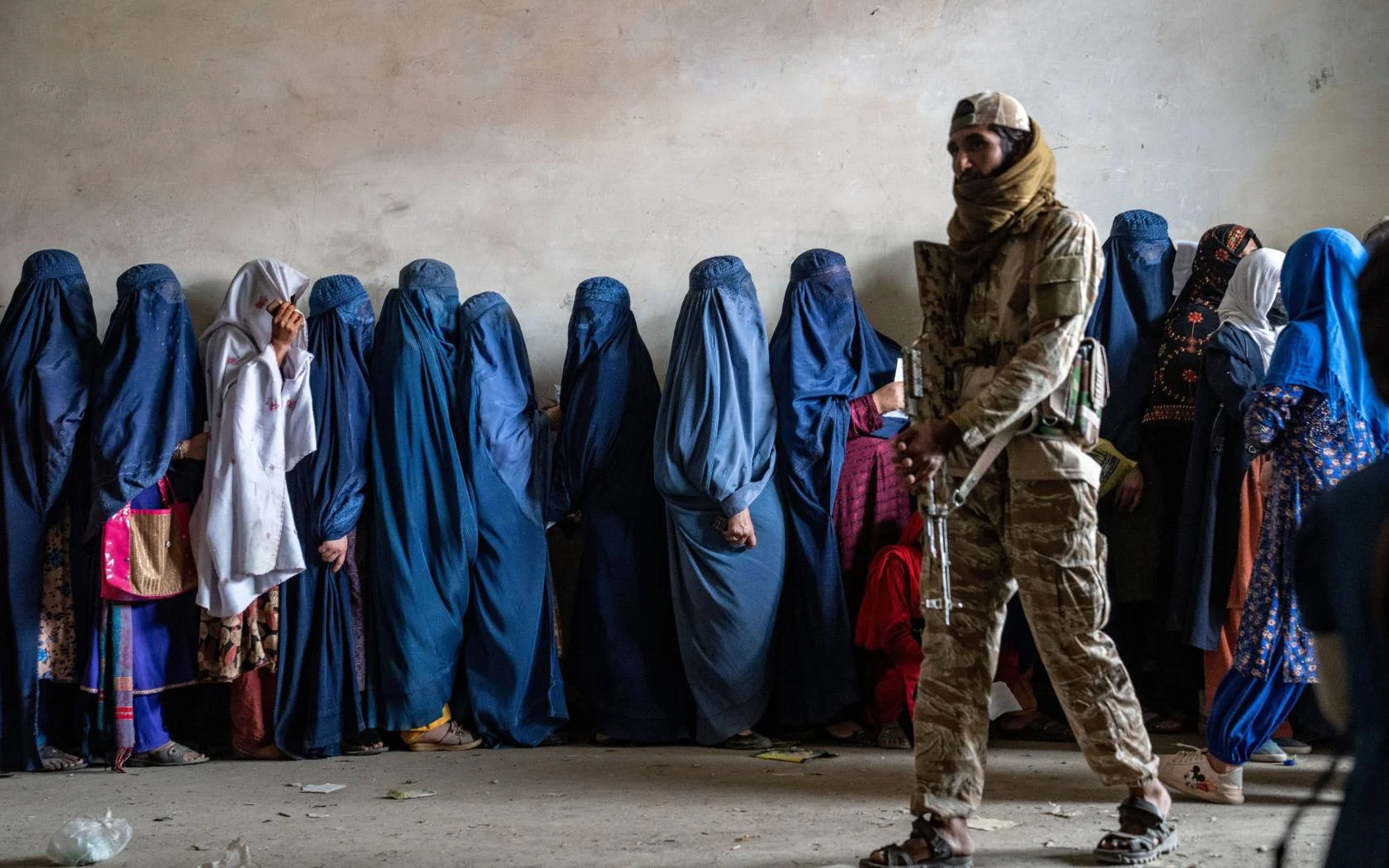
There is no doubt that the Afghan Taliban have imposed themselves on the Afghan people. They lack legitimacy and broad acceptability. Even within the 42 percent Pashtun population, a large majority is reportedly opposed to their medieval-style governance, which is harsh toward women, liberal segments of society, and minorities. The remaining 58 percent minorities are overwhelmingly against them. It is essential that, alongside the use of kinetic force to cripple their militant capabilities, a planned effort be made to pursue the regime change in Afghanistan to be replaced with an inclusive and democratic government as required by the Doha Agreement.
Conclusion
Pakistan’s security landscape today is shaped by decades of decisions made in a complex regional environment. While past policies reflected the strategic imperatives and limitations of their times, the uniqueness of the twin threats from within and outside the border — especially the nexus between TTP and Afghan Taliban — demand a recalibrated, forward-looking strategy.
Addressing militancy effectively will require a blend of intelligence operations, military resolve, diplomatic sophistication, socio-economic investment, and regional cooperation. Only through an integrated and unwavering policy posture can Pakistan achieve lasting stability and protect its sovereign interests.
The author is Chief Editor of The Strategic Brief