
Dr. Naveed Elahi
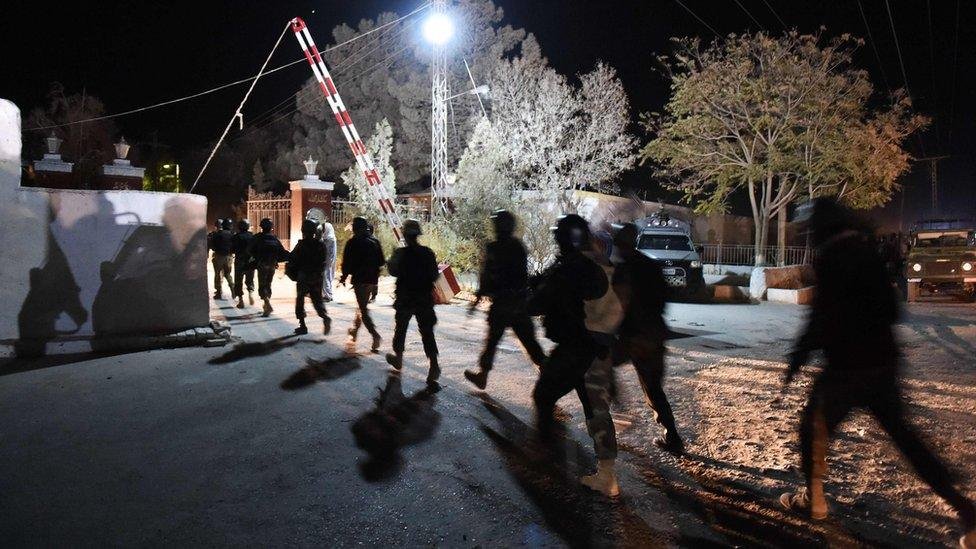
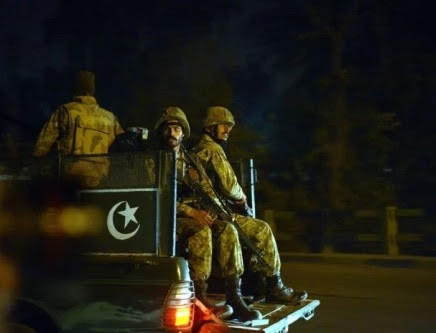
According to the latest report published in the media, at least 12 terrorists were killed in two separate intelligence-based operations (IBOs) in Kalat district (Balochistan) and Karak district (KP), following credible intelligence about militant presence. In Balochistan, four militants affiliated with Fitna al Hindustan (BLA etc) were neutralised and weapons and ammunition were seized, underscoring effective engagement against separatist/extremist elements. In Karak, eight militants belonging to Fitna al Khawaraj (TTP)were killed during coordinated police and CTD clearance operation in difficult mountainous terrain, demonstrating the capability of security forces to take the fight into remote hideouts, destroy militant infrastructure, and disrupt terrorist networks. Meanwhile, in a different incident, the Afghan Taliban backed TTP terrorists attacked on a peace committee member in Lakki Marwat, emphasising continued threats to local resistance structures, prompting heightened alertness and advisories for police and civilians.
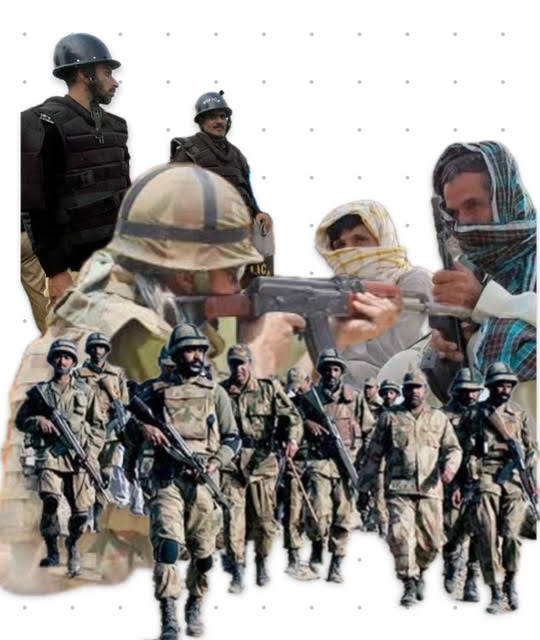
The successful anti-terrorist operations underscore resolves and resilience of Pakistan’s security apparatus under the ongoing counter-terrorism framework—particularly the Azm-i-Istehkam strategy—which seeks to sustain pressure on both separatist and militant groups through actionable intelligence and joint operations. The article also reflects an integrated response by military, police, and CTD units to pre-empt planned attacks and protect vulnerable communities. However, it simultaneously highlights that militants remain capable of asymmetric strikes against civilians and peace-building actors, pointing to the need for continued vigilance, community support structures, and intelligence sharing at the grassroots level to deny space to terror elements.
A quick review of last month’s CT operations shows sustained and intensifying counter-terrorism campaign across Khyber Pakhtunkhwa and Balochistan, marked by frequent intelligence-based operations (IBOs) and successful neutralisation of militant cells in difficult terrain. Operations in Kalat (Balochistan) and Karak/Lakki Marwat (KP) show that security forces are increasingly acting on actionable intelligence, striking militant hideouts before attacks can materialise. The joint participation of police, CTD, and security forces signals improved inter-agency coordination, particularly in districts that have historically served as transit or regrouping zones for terrorist networks.
To consolidate recent gains, security forces should sustain operational tempo through continued intelligence-led targeting, especially in border-adjacent and mountainous districts where militants attempt to reconstitute. Enhanced post-operation area domination, including follow-up searches, route security, and monitoring of escape corridors, is essential to prevent regrouping. Special protection measures should be extended to peace committee members, informants, and community leaders, who remain prime targets for militant reprisals.
At the policy level, the government should complement kinetic actions with community-centric stabilisation measures, including strengthening local policing, compensating victims of terrorism, and incentivising civilian cooperation in intelligence sharing. Improved border management, surveillance of movement routes, and disruption of logistical networks—such as arms and financing channels—will further degrade militant capacity. Together, sustained forceful action, institutional coordination, and local trust-building can translate the demonstrated resolve and resilience of Pakistan’s security forces into durable security outcomes in KP and Balochistan.
The Local Resistance Structures (LRS) should be expanded and employed efficiently. Not only menfolk but women and youngsters should be involved in it to create an overall environment where it becomes difficult for the terrorists to get any support or shelter in the target areas. These members of LRS should have a stated mission to create peace in their areas. As stated earlier, they must be given good incentives like financial support, education, job opportunities, better living standards etc. Good governance and community engagement, remain the most viable path to permanently neutralising the terrorist threat in KP, Balochistan and in other parts of the country.
The author is the Chief Editor of The Strategic Brief