
DOMESTIC
AZAD JAMMU AND KASHMIR (AJK)
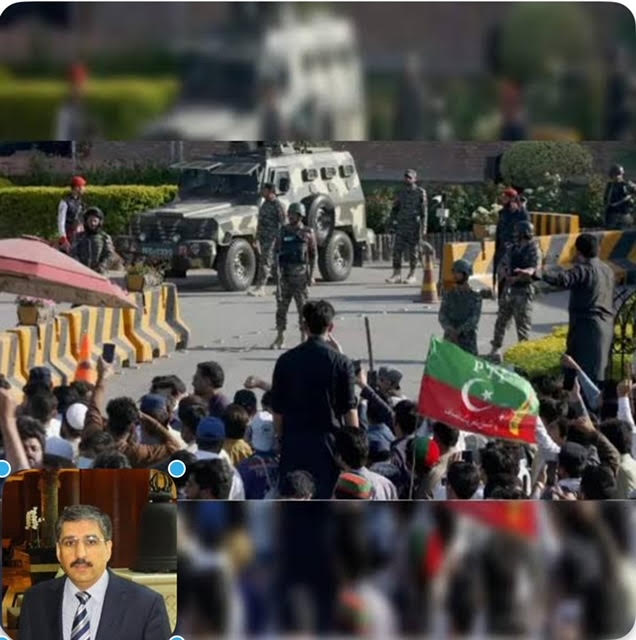
AJK Police spokesperson SSP Khawar Ali Shaukat alleged in Rawalakot that the proscribed Joint Awami Action Committee (JAAC) was attempting to destabilise the region, and accused its members of using automatic weapons against security forces during recent clashes. He said one Rangers official had been killed, around 15 law-enforcement personnel injured, and several suspects arrested with weapons recovered. Later, SSP Muhammad Riaz Mughal, speaking in Muzaffarabad, accused the JAAC of targeting security personnel during the unrest, claiming that 26 police personnel had been martyred in 2026, while 157 were seriously injured and 629 sustained minor injuries. However, no official figures regarding JAAC casualties or injuries have been reported so far (29.7.26).
BALOCHISTAN
1. The families of the 27 policemen killed in the 6 July Ziarat attack ended a 10-day sit-in in Quetta after the Balochistan government accepted their demands, including a judicial commission; CM Sarfraz Bugti announced its formation (18.7.26).
2. Unidentified armed men killed one Phota Khan Lashari in Jhal Magsi district (19.7.26).
3. A teenager was killed after stepping on a roadside landmine near the Pat Feeder area of Dera Bugti (19.7.26).
4. One person was killed and three injured in an armed clash between two groups in Qila Abdullah (19.7.26).
5. Three Excise Department officials were kidnapped by 30 armed men after an attack on a check post on the Dalbandin–Taftan Highway in Chagai district (21.7.26).
6. Police recovered six bullet-riddled bodies from the Mastung, Panjgur, Kharan and Kalat districts (21.7.26).
7. Five people were killed in separate incidents — two women in Mangichar, an IED-blast victim in Mastung, and two oil-bowser fire deaths in Quetta (21.7.26).
8. Armed men attacked a Quetta–Karachi passenger coach in Khud Kocha, killing three and injuring five passengers (22.7.26).
9. A blast damaged the Quetta–Karachi National Highway bridge in Mastung, disrupting traffic; no casualties were reported (22.7.26).
10. Security forces killed seven terrorists in Surab and three in Mastung district, and arrested two female suicide bombers along with their facilitator (22.7.26).
11. The Balochistan Home Department imposed an indefinite curfew in Khud Kocha, Mastung, after attacks killed three and injured five people (22.7.26).
12. District and Sessions Judge Abdul Hakeem Kakar and his guard were martyred in a gun attack near Wali Khan Crossing; Judge Tariq Lashari was injured (23.7.26).
13. Two people were injured when unidentified attackers fired on an ambulance in Darg, Musakhel district (25.7.26).
14. Police arrested 15 illegal migrants and three facilitators in Bela, Lasbela, and seized three vehicles used for the “dunki route” (25.7.26).
15. Security forces killed nine terrorists in Khud Kocha, Mastung, with four more killed in follow-up operations (23–25.7.26).
16. Security forces claimed to have killed 16 Fitna-al-Hindustan (BLA/BLF) terrorists during Operation Al-Azm in Balochistan, and recovered weapons (26.7.26).
17. Armed men blocked the Quetta–Taftan Highway (N-40) in Chagai and burnt five oil tankers; no casualties were reported (26.7.26).
18. Police recovered the bodies of two men, including Imran from Khuzdar, in Mashkay tehsil, Awaran district (26.7.26).
19. DSP Mureed Bugti was martyred and a police constable injured in an exchange of fire with armed men in the Khatta Chowki area of Barkhan district (29.7.26).
20. Eight terrorists belonging to the outlawed BLA/BLF were killed during an exchange of fire in Nushki district (ISPR — 28–29.7.26).
21. Unidentified gunmen killed three people — including Shah Baig, son of tribal elder Sardar Aziz Bizenjo, and his two friends Amanullah and Altaf Hussain — in the Pidarak area of Kech district (30.7.26).
22. On 30 July 2026, security forces conducted an intelligence-based operation in Khuzdar, Balochistan, destroying two explosives-laden vehicles and neutralising four alleged terrorists linked to the BLA/BLF (30.7.26).
23. Unidentified armed men abducted seven labourers from the Kalatak area of the Turbat–Mand Road, Kech district, on 28 July. One labourer was killed the same day, while the bodies of the remaining six were found with bullet wounds in Nasirabad, Turbat, on Thursday, according to Balochistan Home Department spokesperson Babar Yousafzai (30.7.26).
Comments & Analysis. The fortnight’s Balochistan incidents reflect two distinct streams of violence that should not be read as one: an organised ethno-separatist insurgency by the BLA/BLF — which the state now labels Fitna-al-Hindustan to signal alleged Indian sponsorship — evident in the counterterrorism operations (items 10, 15, 16, 20, 22) and the Ziarat fallout (item 1), and a separate current of tribal, clan and criminal violence endemic to the province, such as the Qila Abdullah clash (item 4) and the “dunki route” smuggling arrests (item 14). The target set is widening in a worrying direction: beyond the expected attrition against security forces (Ziarat’s 27 policemen, DSP Mureed Bugti in item 19, the judge’s guard in item 12), the assassination of a sitting District and Sessions Judge (item 12) marks a deliberate strike at the justice system itself, while the abduction and kill-and-dump of seven non-local labourers on the Turbat–Mand Road (item 23) continues a signature BLA tactic of economic intimidation aimed at deterring outside workers and CPEC-linked activity. Capability escalation is also evident — the arrest of two female suicide bombers with a facilitator (item 10) reflects the continued induction of women into suicide operations, the destruction of two explosives-laden vehicles (item 22) points to a sustained VBIED capability, and the coordinated shutdown of the N-40 with five oil tankers burnt (item 17), alongside the highway-bridge blast (item 9), the landmine death (item 3) and the coach attack that triggered a curfew (items 8, 11), shows a deliberate campaign against the province’s road arteries and energy logistics. Overall, security forces are winning the attrition contest — with high claimed kill tallies across the fortnight and a notable political concession in the judicial commission granted after the Ziarat families’ sit-in (item 1) — but not the prevention one, as attacks still reached coaches, judges, highways and labourers, and the recurring kill-and-dump bodies (items 6, 18, 21) feed the enforced-disappearance grievance that the insurgency exploits for recruitment; the external-sponsorship framing (India, and cross-border sanctuary in Afghanistan) remains central to the state’s narrative but was not independently evidenced in these items, leaving the strategic gap in prevention and political reconciliation rather than firepower.
KHYBER PAKHTUNKHWA (KP)
1. Four bullet-riddled bodies were recovered in separate incidents in Bannu district, including two on CPEC Circular Road, Zahoor Shah near Mandan Park, and Ziaur Rehman after an encounter (16.7.26).
2. Security forces killed 24 suspected TTP terrorists during joint operations in Bannu district (17.7.26).
3. One terrorist was killed and eight suspects detained in a joint police, CTD and army operation in Grera Shah Jahan in Bannu district (18.7.26).
4. Two children were injured after a mortar shell hit a house in War Mamund tehsil of Bajaur district (19.7.26).
5. Police defused six IEDs and arrested 14 suspects during a search operation in the Miryan area of Bannu district (20.7.26).
6. Miscreants destroyed a government school in War Mamund tehsil of Bajaur district; no casualties were reported (22.7.26).
7. Two people — Shah Wali and Anwar — were killed, and a woman injured, in firing by unidentified attackers in Peshawar (22.7.26).
8. Police constable Muhammad Mehran was martyred during an attack by unidentified gunmen in Sarvekai, South Waziristan (22.7.26).
9. Four terrorists were killed and five suspects arrested during a joint operation in Bannu district, raising the total number of terrorists killed to 48, and two hideouts were destroyed (23.7.26).
10. Hotel owner Saud Khan was shot dead by unidentified attackers on Chakdara Bypass Road, Lower Dir district (23.7.26).
11. Customs Constable Jawad was martyred and another, Baseerullah, injured in a terrorist attack on the Indus Highway in Kohat district (24.7.26).
12. Three policemen sustained minor injuries after a quadcopter-borne explosive device struck a police post in the Hassankhel subdivision of Peshawar district (24.7.26).
13. Suspected TTP-linked terrorists attacked a joint police check post with an explosives-laden vehicle in Tank district on 23/24 July. Security forces foiled the attack and killed 12 militants, while 15 personnel — including 12 soldiers, two policemen and a government official — embraced martyrdom (25.7.26).
14. Security forces foiled an attack in South Waziristan, killing four terrorists including a suicide bomber and destroying an explosive vehicle, under Operation Azm-e-Istehkam (25.7.26).
15. Two people — Suleman Khan and Ghulam Khan — were killed in an IED blast near Tali Small Dam, Bajaur (25.7.26).
16. Unidentified assailants killed a shopkeeper, Ali Khan, and a retired teacher, Muhammad Afzal Jan, and injured another person in the Sarvekai area of South Waziristan district (27.7.26).
17. A police constable, Gulfam Khan, was martyred and four terrorists were killed during a joint operation in Matta tehsil of Swat district (28.7.26).
18. Security forces killed 24 terrorists allegedly belonging to the defunct TTP during multiple “sanitisation and targeted operations” in Khyber district (ISPR — 28–29.7.26).
19. A local cleric, Maulana Amanullah, was killed and two others injured in a suspected quadcopter attack near a mosque in the Landi Doag area of Birmal tehsil in South Waziristan district (29.7.26).
20. Police repulsed a terrorist attack on a check post in the Adezai area, within the jurisdiction of the Mattani police station in Peshawar district (29.7.26).
21. Police killed 15 terrorists allegedly affiliated with the outlawed TTP while repulsing their attack on the Khazina Banda Check Post in Hangu district; however, during the exchange of fire, nine police personnel — including DSP Diyar Khan — were martyred and several others injured (30.7.26).
22. A series of explosions at the Maalkhana in Ejaz Shaheed Police Lines in Dera Ismail Khan, allegedly caused by an electrical short circuit igniting stored grenades, injured a Bomb Disposal Unit officer, Inayatullah — popularly known as “Tiger” — and damaged three rooms (30.7.26).
23. Unknown miscreants allegedly blew up a government primary school with explosives, damaging most of its structure, and also damaged the main gate of local elder Malik Shah Mahmood’s house with an explosive device, in the Lowi Kharkai area of Bajaur district (30.7.26).
Comments & Analysis. The fortnight’s KP incidents show a mature, geographically concentrated TTP-led insurgency running along the province’s southern and tribal belt — Bannu, South Waziristan, Bajaur, Tank, Kohat, Hangu and the Peshawar periphery — with Bannu again the epicenter of both militant activity and the state’s counter-offensive (items 1, 2, 3, 5, 9). Two capability trends stand out. First, the normalisation of quadcopter-borne (drone-dropped) explosives against fixed positions and even a mosque (items 12, 19) marks a low-cost precision-strike method that static police posts are poorly configured to counter; second, the repeated use of explosives-laden vehicles and a suicide bomber (items 13, 14) shows a sustained VBIED capability, most lethally at the Tank check post, where a foiled attack still cost 15 lives including 12 soldiers (item 13). The target set is heavily weighted toward the security apparatus — police constables, a customs constable, a DSP and soldiers repeatedly martyred (items 8, 11, 13, 17, 21) — with checkpoints the preferred point of contact, but it also extends to soft civilian and symbolic targets: assassinations of a hotel owner, shopkeeper, retired teacher and a cleric (items 10, 16, 19), the recurring recovery of bullet-riddled “kill-and-dump” bodies in Bannu (item 1), and a deliberate anti-education, anti-state campaign in Bajaur, where two government schools were blown up and a local elder’s home targeted (items 6, 23). On the state’s side, the response is offensive and attrition-heavy, with high claimed kill tallies (24 in Bannu, 24 in Khyber, 15 in Hangu, and a running cumulative count reaching 48) and largely successful defence of checkpoints (items 20, 21), yet the persistence of attacks — and one avoidable internal loss from a grenade-storage explosion at a D.I. Khan police lines (item 22), which points to lax munitions-handling and force-protection gaps — underscores that firepower is suppressing but not preventing the threat; the binding challenges remain hardening police posts against drones and VBIEDs, securing recovered ordnance, and addressing the cross-border sanctuary that sustains the tempo.
PUNJAB
1. Eleven members of the Maavia Chakrani gang (the second group of the Ladhi gang), linked to the Ladhi gang in Dera Ghazi Khan, surrendered to law-enforcement agencies along with their weapons (22.7.26).
2. The FIA and PTA, during a joint crackdown, uncovered two illegal internet-service-provider networks operating in two border towns of Gujrat near Azad Jammu and Kashmir (28.7.26).
3. CTD Police, Sahiwal, claimed to have arrested two suspected Indian intelligence (RAW) agents near Okara, recovering explosive material, IED components, electronic devices, detonators and other items allegedly linked to planned terrorist activities (30.7.26).
SINDH
1. Police killed two suspected Afghan extortionists — Sher Khan and Saeed Mohammed — allegedly linked to the TTP, in Sohrab Goth, Karachi (17.7.26).
2. A court sent a teenage rape suspect into police custody for an ossification test to determine his age in the alleged assault case of an American woman on 17 July in DHA, Karachi (22.7.26).
3. Three suspected extortionists linked to the Smad Kathawari gang were killed and one arrested during a police–Rangers operation in Malir, Karachi (24.7.26).
4. Zubair Baloch (40), brother of outlawed Peoples Amn Committee chief Uzair Baloch, was critically injured after gunmen on a motorcycle opened fire in Singu Lane, Lyari, Karachi; two passers-by were also wounded (30.7.26).
SECURITY
1. COAS and CDF Field Marshal Syed Asim Munir, addressing participants of the 20th National Workshop Balochistan at GHQ, Rawalpindi, said the continued efforts of security forces and law-enforcement agencies, backed by public support, would bring lasting peace to Balochistan. He also said that foreign-sponsored proxies had consistently attempted to fuel violence, undermine stability and disrupt peace in the province (23.7.26).
2. DG FIA Usman Anwar, talking to the media, said that a dedicated dark-web investigation unit had been established at FIA headquarters in Islamabad to track online criminals, trace cryptocurrency transactions, and combat crimes such as human trafficking, illegal migration, hacking and data theft using advanced technology and blockchain forensics (24.7.26).
DEFENCE
1. Canada’s Foreign Minister Anita Anand met COAS and CDF Field Marshal Asim Munir in Rawalpindi, discussing bilateral ties, regional security, counterterrorism cooperation and defence relations (20.7.26).
2. Iran’s Interior Minister Eskandar Momeni met Field Marshal Asim Munir in Rawalpindi, discussing bilateral security, border management, regional stability and closer cooperation (21.7.26).
3. Prime Minister Shehbaz Sharif promoted Lt Gen Aamer Raza to the rank of four-star general and appointed him Commander National Strategic Command (CNSC). The post — created under the 27th Constitutional Amendment last year — assumes the nuclear-management role previously held by the Chairman of the Joint Chiefs of Staff Committee (24.7.26).
4. Field Marshal Syed Asim Munir, the service chiefs and the Armed Forces paid tribute to Capt Muhammad Sarwar Shaheed (Nishan-e-Haider) on his 78th martyrdom anniversary (27.7.26).
5. US Congressmen Ryan Keith Zinke (Montana) and Michael James (Washington) met Field Marshal Syed Asim Munir at GHQ, Rawalpindi, discussing regional security, Pakistan–US defence cooperation, trade, investment and economic collaboration (27.7.26).
6. General Syed Aamer Raza, HI(M), S Bt, assumed command as Commander National Strategic Command with a Guard of Honour and paid tribute at Yadgar-e-Shuhada. He later called on Field Marshal Syed Asim Munir at GHQ, Rawalpindi, who congratulated him on assuming command (27.7.26).
7. Kuwaiti Foreign Minister Sheikh Jarrah Jaber Al-Ahmad Al-Sabah met Field Marshal Syed Asim Munir at GHQ, Rawalpindi, where they discussed regional security and bilateral cooperation. He appreciated Pakistan’s support and reaffirmed a shared commitment to peace and prosperity (29.7.26).
8. Commander National Strategic Command General Syed Aamer Raza visited Naval and Air Headquarters in Islamabad, where Admiral Naveed Ashraf and Air Chief Marshal Zaheer Ahmed Baber Sidhu congratulated him on assuming command and discussed matters of professional interest (29.7.26).
9. A Belarusian defence delegation led by Major General Muraveiko Pavel Nikolayevich met Air Chief Marshal Zaheer Ahmed Baber Sidhu in Islamabad, discussing regional security, defence cooperation, joint training, technological collaboration and enhanced military ties between Pakistan and Belarus (29.7.26).
DIPLOMATIC DEVELOPMENT, ECONOMY AND SIGNIFICANT EVENTS
1. Prime Minister Shehbaz Sharif told Iranian Interior Minister Eskandar Momeni that Pakistan is ready to help mediate between the US and Iran, while urging restraint to preserve peace and stability in the Middle East, during a meeting with him in Islamabad (21.7.26).
2. Pakistan rejected India’s claims on the Indus Waters Treaty (IWT) at a UNSC debate, asserting that India’s decision to hold the treaty in abeyance was illegal. India accused Pakistan of cross-border terrorism affecting treaty cooperation. Pakistan called India’s remarks misleading and a distortion of facts, noting that the treaty has no provision for unilateral suspension (22.7.26).
3. Prime Minister Shehbaz Sharif condemned Houthi attacks on Saudi oil tankers, calling them violations of international law, and warned that any threat to Pakistan’s maritime interests in the Red Sea and Bab al-Mandeb could trigger a self-defence response (22.7.26).
4. Pakistani and Iranian Interior Ministers Mohsin Naqvi and Eskandar Momeni, during a meeting in Islamabad, agreed to strengthen Pakistan–Iran cooperation on counterterrorism, counter-narcotics, border security and trade, and to take action against terrorism and drug trafficking along the Afghan border. Railway Minister Muhammad Hanif Abbasi and Eskandar Momeni agreed to expand railway connectivity through the ML-3 project (by December 2029), the Zahedan–Taftan rail rehabilitation, the revival of the ITI freight train, and the implementation of the 1959 railway agreement and the 2025 Framework of Cooperation. The Iranian Interior Minister also met separately with PM Shehbaz Sharif and Field Marshal Syed Asim Munir during his visit to Pakistan. According to the IRNA news outlet, the Iranian minister later flew to New Delhi on 23 July to attend the BRICS Interior Ministers’ meeting on security, counterterrorism and law-enforcement cooperation, after a three-day visit to Pakistan, stressing BRICS’ importance for Iran and global affairs (23.7.26).
5. Foreign Office spokesperson Tahir Andrabi said in Islamabad that any attack on Pakistan’s maritime interests would be a “red line.” He reaffirmed support for Saudi Arabia, the protection of shipping through the Bab el-Mandeb Strait, Gulf de-escalation through diplomacy, and consultations with regional mediators including Oman. Pakistan rejected Amnesty International’s Kabul airstrike report as unsubstantiated and urged accountability of the Afghan Taliban over cross-border terrorism (23.7.26).
6. The FO spokesman rejected Indian Defence Minister Rajnath Singh’s remarks on Azad Jammu & Kashmir as provocative, stating that the Kashmir dispute remains on the UN Security Council agenda. Pakistan accused India of aggressive rhetoric, warned against misjudging its resolve, cited Operation Bunyan-ul-Marsoos, and called for the implementation of UN Kashmir resolutions. Analysts say that, as of 2026, the 10 May 2025 India–Pakistan ceasefire along the LoC remains in effect, with no active hostilities. However, diplomatic ties, trade and the Indus Waters Treaty remain suspended. Both countries continue defence modernisation, while India pursues diplomatic efforts against Pakistan over alleged cross-border terrorism concerns (26–27.7.26).
7. PM Shehbaz Sharif, in Islamabad, directed an increase in Pakistan’s strategic petroleum reserves as the Cabinet Committee on Energy approved amendments to the Pakistan Oil Refining Policy 2023 to strengthen energy security, upgrade refineries and reduce fuel-import dependence (28.7.26).
8. PM Shehbaz Sharif met Kuwaiti Foreign Minister Sheikh Jarrah Jaber Al-Ahmad Al-Sabah in Islamabad, where the visiting minister praised Pakistan’s support for regional peace. The two leaders discussed expanding cooperation in trade, investment, energy, IT and agriculture. Separately, Sheikh Jarrah met Field Marshal Syed Asim Munir at GHQ, Rawalpindi, where they discussed regional security and agreed to further strengthen bilateral cooperation (29.7.26).
REGIONAL
AFGHANISTAN
Law and Order / Security
1. According to confirmed reports, Mohammad Ali Tofan, a former member of the Afghan security forces, was killed by unidentified gunmen in Daikundi province. In a separate incident in the Qarabagh district of Ghazni, tribal elder Qadir Ali Rafat was found dead after being missing for 24 hours; sources said his body showed signs of torture. Rafat had previously been detained by Taliban intelligence on allegations of links with the National Resistance Front (16.7.26).
2. An unconfirmed UNAMA report (April–June) alleged that the Taliban has restricted religious freedom in Badakhshan. At least 33 Ismaili Jamatkhanas were closed from January, and worshippers were ordered not to use them for prayers; Taliban officials said the buildings should be used as mosques. The closures affected 17 in Zebak, 14 in Ishkashim and 2 in Wakhan, in Badakhshan province. The Taliban said the decisions were made on a case-by-case basis (30.7.26).
3. As of July 2026, Taliban authorities had reached a settlement with dissident commander Jumma Khan Fateh, who renewed his allegiance and returned to Darwaz after disputes over disarmament and regional issues were resolved. Meanwhile, clashes continued in Badakhshan as opposition groups — including Qayum Malang’s faction and the Afghanistan Freedom Front (AFF) — carried out attacks against Taliban positions. The Taliban deployed additional forces and commanders to Zebak and other areas, established checkpoints, and launched operations to suppress the growing local insurgency (15, 17, 22, 24, 26, 30.7.26).
Comments & Analysis: Analysts say the unrest in Badakhshan, including the Wakhan Corridor and Zebak district, reflects local grievances, power struggles and resistance to Taliban rule. Opposition groups — including the Afghanistan National Resistance Front (NRF), the Afghanistan Freedom Front (AFF) and the National Islamic Movement of Afghanistan — reportedly support limited attacks through loyalists despite remaining outside the country. Meanwhile, the Taliban maintains nationwide control, has launched a media-coordination initiative, and its spokesman Zabihullah Mujahid, on 27 July, said security incidents in Badakhshan had been exaggerated and were under control.
4. Russian Foreign Minister Sergei Lavrov identified Islamic State Khorasan Province (ISKP) as a major threat to Central Asia, warning of its attempts to use Afghanistan as a base for expansion. Taliban spokesman Zabihullah Mujahid rejected the claim, saying ISKP had been suppressed and posed no threat to neighbours. Russia continues to express security concerns over extremist groups, while UN counterterrorism chief Alexandre Zouev alleged that al-Qaeda remains active in Afghanistan with links to Taliban officials. Meanwhile, Afghanistan and Uzbekistan advanced cooperation on the Trans-Afghan railway and the Hairatan rail corridor to enhance regional trade and connectivity (19, 22.7.26).
5. US President Donald Trump said his administration is making the largest-ever investment in the US military, while criticising the Biden administration’s Afghanistan withdrawal and claiming that military equipment had been left behind for the Taliban (IEA). Interestingly, despite all such contradictory statements, Afghanistan reportedly exported its first natural-stone shipment to the United States, valued at $100,000, on Wednesday — black decorative stone extracted from Zendajan district, Herat, and shipped through the Herat Chamber of Industries. Officials said the milestone could expand mining exports, attract investment and create jobs, despite challenges including sanctions, banking restrictions and limited international recognition since the Taliban returned to power in 2021 (23, 29.7.26).
6. Iranian FM Abbas Araghchi supported a stable and inclusive Afghanistan at the SCO meeting in Kyrgyzstan, stressing regional security and urging reduced Afghanistan–Pakistan tensions. Iran also provided flood aid to Nuristan, while visa-fee allegations emerged in Mazar-i-Sharif, where intermediaries are reportedly charging $1,000–$1,700 to arrange Iranian Arbaeen visas despite the announced free-visa scheme for eligible Afghan pilgrims (23, 27.7.26).
7. Afghanistan and Uzbekistan signed 22 trade MoUs worth over $200 million in Kabul to enhance economic ties. Iran also proposed a trilateral free-trade and industrial zone with Afghanistan and China (27.7.26).
Pakistan–Afghanistan Relations
8. IEA Consul General in Karachi Abdul Jabbar Takhari said that alleged delays in renewing Pakistani visas are leaving many Afghan students without valid documents, raising fears of detention, deportation and disruption to their education (15.7.26).
9. Speaking at the 33rd ASEAN Regional Forum in Manila, Pakistani Deputy PM and FM Ishaq Dar said militant groups in Afghanistan remain a regional security threat, alleging that the TTP and BLA use Afghan territory to carry out attacks against Pakistan. He urged the IEA to prevent such activities, saying Afghan soil should not be used against any neighbouring country. He further said that if the IEA fulfilled its repeated commitments, it would create significant opportunities for regional trade, connectivity and economic development. The IEA, as usual, rejected Pakistan’s allegations and said Afghan soil would not be used against any other country (23.7.26).
10. IEA spokesman Zabihullah Mujahid, responding to Ishaq Dar’s remarks at the SCO Conference in Kyrgyzstan, rejected Pakistan’s claim that terrorist groups based in Afghanistan pose a major threat to Pakistan, and urged SCO members to pressure the Taliban on counterterrorism. He said Pakistan should not blame the Taliban for its internal security issues, and reiterated that Afghan soil would not be used against any country (24.7.26).
Comments & Analysis: Pakistan–Afghanistan relations remain strained in 2026 by border-security concerns along the Durand Line, cross-border militancy and border-management issues, while Kabul’s growing engagement with India continues to attract strategic attention. Pakistan has repeatedly urged Afghanistan to prevent the use of its territory by groups such as the TTP and BLA/BLF — allegations that the Afghan authorities deny. Despite continued diplomatic engagement and dialogue aimed at improving bilateral relations and restoring mutual trade and regional stability, militant attacks in Balochistan and KPK persist, prompting Pakistan to further strengthen border security amid recurring tensions.*
ILLEGALLY INDIAN-OCCUPIED JAMMU AND KASHMIR (IIOJK) / LOC
1. Security forces in IIOJK were placed on high alert after the killing of policeman Ashiq Hussain in Anantnag. Search operations and surveillance were intensified, with two suspected terrorists’ houses demolished and around 2,800 over-ground workers questioned (22.7.26).
2. IIOJK CM Omar Abdullah stressed that lasting peace requires public support and a people-centric counterterrorism approach, warning that excessive arrests and demolitions could be counterproductive (22.7.26).
3. PDP chief and former CM Mehbooba Mufti reiterated demands for the restoration of Articles 370 and 35A, statehood, a Kashmir dialogue, the reopening of LoC trade routes and a review of detentions, and announced protests on 5 August (28.7.26).
4. Leader of the Opposition (BJP) in the IIOJK Assembly, Sunil Sharma, accused the NC and PDP of reviving separatist narratives, while Omar Abdullah said statehood restoration depends on the Centre, and that major national decisions — including Vande Mataram’s status — rest with Parliament (28.7.26).
INDIA
Defence
1. The DRDO completed field trials of an indigenous fibre-based Quantum Key Distribution (QKD) system for highly secure strategic communications, following the establishment of its Quantum Research Centre in Delhi (15.7.26).
2. The Indian Navy is inducting three more MH-60R Seahawk helicopters from Lockheed Martin, raising its fleet to 21 of the 24 ordered under the US$2.6 billion deal (17.7.26).
3. Air Chief Marshal A.P. Singh, at the commissioning of INS Malvan, called for rapid defence modernisation, self-reliance and greater joint operations among India’s armed forces (22.7.26).
4. Defence Minister Rajnath Singh, addressing the 27th Kargil Vijay Diwas in Dras, IIOJK, said Operation Sindoor had demonstrated India’s capability to respond firmly to Pakistan’s “misadventures.” He stated that future talks with Islamabad would focus only on Pakistani-administered Jammu and Kashmir (AJK), and accused Pakistan of using terrorism as state policy. Singh alleged military–terror links in Pakistan and contrasted India’s technological progress with Pakistan’s (26.7.26).
5. India’s Ministry of Defence said CABS–DRDO had signed a contract with AIESL, New Delhi, to convert six Airbus A321 aircraft into IAF airborne early-warning and surveillance platforms. It also completed the technical evaluation for 80 Medium Transport Aircraft (MTA) to replace the AN-32s, with bids from Airbus, Lockheed Martin and Embraer. The programme includes 12 imported and 68 India-made aircraft, with over 50% indigenous content, technology transfer and MRO facilities (22, 28.7.26).
Diplomatic and Political Development
6. Opposition leader Rahul Gandhi (Congress) demanded PM Narendra Modi’s resignation after 60 student protesters, supported by the Kakroch Janta Party (KJP), were injured in New Delhi, while Education Minister Dharmendra Pradhan resigned amid the NEET exam-leak protests (21, 22, 25.7.26).
IRAN
Iran–US/Israel Conflict and Situation in the Gulf
1. Reuters reported that US authorities had launched a probe into alleged Russian support for Iranian Shahed drone attacks on CIA sites, including one in Riyadh, Saudi Arabia, reportedly targeted in March 2026. At the SCO meeting in Kyrgyzstan, Pakistan’s Ishaq Dar and Iran’s Abbas Araqchi discussed Middle East tensions, with Pakistan urging restraint and diplomacy. Pakistan also condemned the Houthi blockade of Bab al-Mandeb, warned against attacks on its vessels, and called for an immediate ceasefire and regional dialogue. The Iranian and Saudi Arabian Foreign Ministers — Abbas Araqchi and Prince Faisal bin Farhan — and Omani officials discussed Strait of Hormuz security after Saudi claims of intercepting Iran-linked drones. Oman reportedly proposed joint Strait of Hormuz management with Iran, but the US reportedly rejected the idea, while Donald Trump said talks were progressing but warned of renewed US strikes if they failed. The US and Saudi Arabia reportedly struck Iran-backed militant sites in eastern Iraq after 30-plus drone attacks, while Iran’s IRGC Navy stopped three oil tankers in the Strait of Hormuz (23, 24, 28, 29.7.26).
2. Current Situation — Bottom Line
a. Foreign Ministry spokesperson Esmail Baghaei rejected US influence over Tehran’s decisions. He claimed Washington had expected Iran’s government to collapse within three days, claimed the US is now “trapped” in the conflict, and stressed that Iran will act according to its national interests. He accused the US of returning to talks when global energy prices rise.
b. Tensions between Iran and the United States remain high, and the Strait of Hormuz — and, to some extent, Bab al-Mandeb — remains a key concern for global energy and shipping.
c. Israeli PM Benjamin Netanyahu is expected to present US President Donald Trump with alleged intelligence on renewed nuclear activity at Iran’s Pickaxe Mountain underground facility during their upcoming meeting, with reports citing activity since 2020; the claims remain unverified, as Tehran denies seeking nuclear weapons and says its programme is peaceful.
d. China has denied a Reuters report that Iran was set to receive 400 Chinese-made shoulder-fired air-defence missile launchers, with Foreign Ministry spokesperson Mao Ning calling the claim “not true and not factual at all” and saying Beijing supports peace and an end to the conflict.
Comments & Analysis: Analysts remain divided over a potential US–Israel ground operation against Iran, even with possible tacit Gulf support. Many assess that a large-scale invasion is unlikely to resemble the 2003 Iraq War, given Iran’s vast territory, rugged terrain, 85-million-plus population, IRGC capabilities, missile arsenal, drones and proxy networks. While limited strikes could damage nuclear and military infrastructure, achieving decisive political objectives would be difficult. Iran’s potential retaliation — through missiles, proxies in Iraq, Syria, Lebanon and Yemen, cyber operations, and threats to the Strait of Hormuz — could trigger a prolonged conflict, regional escalation and global energy disruption, possibly drawing indirect involvement from Russia and China. Rising tensions and multiple actors have increased the risk of miscalculation, making a ceasefire and diplomatic engagement through Pakistan and other regional mediators the most viable path to de-escalation.
MIDDLE EAST
1. Hamas named Khalil Al-Hayya as its new overall leader, replacing Yahya Sinwar, who was killed in October 2024. Hayya is considered more hardline than Khaled Meshaal. Hamas faces pressure to disarm after two years of war, and Gaza remains largely under Israeli control, with severe humanitarian conditions. Hamas has been led by a five-member council since Sinwar’s death, and ceasefire talks have failed to produce a final agreement. The war has caused heavy casualties and widespread destruction in Gaza. Analysts say Hayya’s appointment signals continued armed resistance (21.7.26).
2. The US and Saudi Arabia signed a 30-year civil nuclear agreement, negotiated over several years, allowing US-built reactors and Saudi uranium enrichment. Signed by Energy Secretary Chris Wright, the deal now awaits Congressional approval. Washington says it meets non-proliferation standards, while critics and some US lawmakers warn it could fuel a Middle East arms race. Saudi Crown Prince Mohammed bin Salman said the kingdom would seek nuclear weapons only if Iran did. However, a day later, Donald Trump added that the agreement would be approved only if Saudi Arabia joined the Abraham Accords and normalised relations with Israel, stating that it would not permit uranium enrichment, despite Riyadh’s opposing stance (22, 23.7.26).
3. Saudi Arabia announced a Multinational Maritime Defence Coalition in Riyadh aimed at enhancing regional maritime security and cooperation to protect Red Sea shipping and energy routes. Representatives from 43 countries and the European Union attended, out of 51 invited, while 14 countries — including Pakistan, Türkiye and Egypt — backed the initiative. The coalition aims to secure navigation in the Bab al-Mandeb Strait, the Red Sea and the Gulf of Aden amid regional tensions involving Iran, Iraq, Jordan, Kuwait, Bahrain and Egypt’s Damietta port. It is learned that Foreign Minister Ishaq Dar and Saudi FM Prince Faisal bin Farhan also separately discussed Red Sea security and supported Jordan’s proposal for an Arab–Islamic meeting on Palestine and East Jerusalem (30.7.26).