Khurram Khan
Ultimate outcome of on-going brinkmanship between Iran and the US and its allies in the Middle East that is still evolving will become clearer in the next couple of months. It is evident that Iran denied US and Israel their objective of dislodging the regime in Iran. Analysts believe that Iran exhibited resilience in the face of unrelenting military, economic and political pressure by the US and Israel in February 2026. The temporary ceasefire, followed by signing of Memorandum of Understanding (MoU) between Iran and the US and negotiations between the two countries facilitated by Pakistan and Qatar strongly has reduced the prospect of resumption of hostilities. Israel, however, irked by the resilience of the Iranian regime and MoU poses a lurking threat of throwing a spanner in the works.
As things stand today it is pretty certain that Iran will be reintegrated in the world economy especially in the energy supply chain after gradual lifting of economic sanctions that it has endured since 1979 coupled with unfreezing of Iranian liquid assets withheld in many countries will boost its economy. Iran was the biggest economy of the Middle East before the ‘Islamic Revolution’ in 1979. Its economy has been crippled by the sanctions imposed by individual countries and the UN.
The lasting peace agreement between Iran and the US will allow Iran to emerge as a strong economy in the Middle East, rivalling the Gulf countries. Iran as an economic powerhouse will play a dominant role in the region on the heels of humbling a superpower in a military conflict.
Policy of US bases in the Middle East in the 1980s was the outcome of twin threats of Iran and pro-Soviet Arab countries. Overthrow of pro-West government of Shah in Iran and coming in of Soviet forces in Afghanistan coincided and raised the threat for the Arab Kingdoms and Sheikhdoms. The recent war between Iran and the US/Iran has shown has made warfare of the 1980s redundant. The unmanned aerial platforms and AI have transformed the war strategy.
Iranian President Masoud Pezeskhian in a recent visit to Islamabad this week called for a new security arrangement in the Middle East comprising Pakistan, Turkey, Saudi Arabia, Qatar, Oman and Egypt. The Iranian objective has been to reduce the US footprint in the Middle East. The inefficacy of the US bases in the Arab countries, in the recent US/Israel and Iran military confrontation, demonstrated their diminishing role in the future security paradigm of the Middle East.
Role of Turkey, Pakistan and Egypt in any future security alignment in the Middle East proposed by Iran will most probably to assuage security concerns of the Gulf countries. It is too early for Iran to push for that sort of security shift in the Middle East. Arab countries will be wary of Iranian moves and still require a US security umbrella.
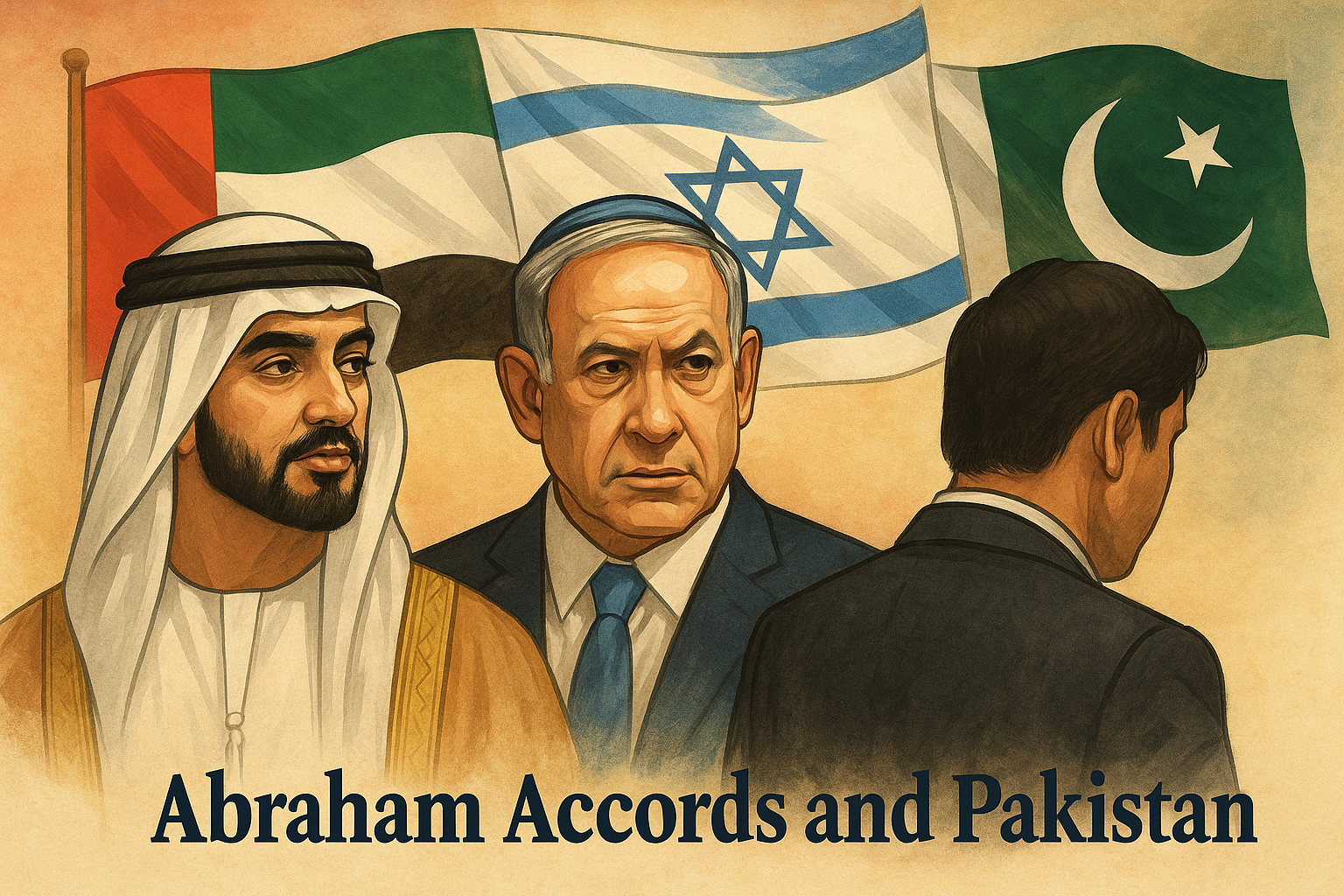
Iran has fundamental differences with the Arab and Gulf countries because of their historic proximity with the West and now Israel. Abrahamic Accord has further estranged their relations. UAE was the prime target of Iranian drones and missiles in the recent conflict because of its embrace of the Abrahamic Accord and security cooperation with Israel. These differences would widen if Saudi Arabia accepts the Abrahamic Accord as a consequence of pressure from US President Donald Trump.
Reinvigorated Iran will ask for better treatment of the Shia population in the Gulf countries. It will not return to the policy of “exporting the revolution” but will use its influence to get a better deal for Shias in Saudi Arabia and Bahrain in particular. The newly installed Syrian government will come under Iranian pressure if it takes on Hezbollah in Lebanon on the pretext of invitation from the Lebanese government. Renewed support to Hezbollah and Hamas will alter fortunes for them for the better. Houthis will become more assertive in Yemen. Pakistan will not remain immune to these developments in the Middle East.
Vibrant Iran will pose opportunities and challenges for Pakistan. Its role in the on-going negotiations between Iran and the US has been appreciated by the Iranian leadership. There is an air of bonhomie between the two governments. Iran and Pakistan have had their differences. Both the countries not long ago accused each other of harbouring insurgent groups in respective countries. Iran will assert its position by pressing upon Pakistan to respond positively to the Iranian demands of pursuing Sunni militant groups like Jaish-e-Adl active in Balochistan-Sistan in Iran. Iran has been accusing Pakistan of playing a US ballgame in supporting dissident Sunni militants. Likewise, Pakistan laid the blame of the Indian spy network at Iran’s doorsteps.
Pakistan will surely benefit from lifting of economic sanctions from Iran as it can meet its urgent energy requirements by completing the Iran-Pakistan Gas Pipeline. Increase in trade on one hand will see a rise in exports to Iran but at the same time cheaper Iranian goods can flood the markets in the whole of the country as they have already in Balochistan for a long time. Iran has been supporting Shia organisations in Pakistan, exacerbating sectarian strife in the country. Shia-Sunni militancy plagued the internal security environment that led to introduction of anti-terrorism law in Pakistan. Economically strong Iran will give Shia sectarian organisations in Pakistan shot in the arm.
India and Iran have maintained good relations. India imported 14% of its oil from Iran. India will fully operationalise Chabahar Port for trade connectivity to Central Asia. India will try to reap economic and strategic benefits from re-energised Iran. Extension of Iran-Pakistan pipeline to India may remain a pipe dream in the face of hostile Indian posture towards Pakistan. India’s strategic links with Israel and UAE may become its achilles heel in forging cooperation with Iran.
Pakistan will have to do a delicate balancing act in the future as it has done successfully in maintaining relations with both Iran and the US during and after the war. Pakistan will need deft diplomacy, hedge its interests and seek for collaboration with Iran without compromising its relations with the US and Gulf countries.
The author is former Joint Director General, Intelligence Bureau, Govt of Pakistan.