
Draft — 1–15 June 2026
DOMESTIC
Azad Jammu and Kashmir (AJK)
- Deadly violence broke out in Azad Jammu and Kashmir (AJK) over the death of a trader, Shahzeb Habib, in Rawalakot, Poonch district, on 6 June. It was followed by another wave of intense violence and protests by activists of the Joint Awami Action Committee (JAAC) in Rawalakot and other parts of the state. Earlier, on 5 June, the AJK government officially proscribed the JAAC under the Anti-Terrorism Act. Authorities launched a crackdown on the proscribed group, arresting around 72 leaders and activists over allegations of planning to disrupt public order and incite violence. Police also claimed to have recovered weapons and objectionable material from the suspects. The official casualty figure is not yet known; however, unconfirmed media reports stated that 7–11 people, including four law-enforcement or police personnel, were killed and more than seventy others injured (5,6,7.6.26).
- Political Adviser Rana Sanaullah (PML-N) told the Senate that the 12 reserved refugee seats in the AJK Legislative Assembly would not be abolished, saying they represent displaced Kashmiri families; he also highlighted agreements reached with the JAAC and the ongoing political tensions in the region (10.6.26).
- The AJK government announced a Rs10 million reward for information leading to the arrest of four individuals — Shaukat Nawaz Mir, Umar Nazir Kashmiri, Khawaja Mehran Arshad and Sardar Aman Khan — linked to the JAAC, and reportedly intensified action against the group’s leadership by blocking the national identity cards and passports of its 31 core members, while a key member, Syed Faisal Gilani, distanced himself from the organisation. Meanwhile, an unconfirmed media report, quoting government claims, said all three gatherings of activists and supporters of the proscribed JAAC on the fringes of Rawalakot dispersed shortly after midnight on 12 June 2026. Poonch Divisional Commissioner Sardar Waheed Khan said the protesters dispersed and “unconditionally surrendered” to the state and returned home, adding that the development followed back-channel talks with JAAC leader Umar Nazir Kashmiri through local intermediaries. He said Kashmiri had reportedly offered to end the sit-ins if the ban on the JAAC was withdrawn and certain conditions were accepted. It has since been learned that some participants returned to their areas around the town, while police and security personnel remain alert to deal with any untoward situation (10,12,13.6.26).
Comments & Analysis: According to several analysts, the unrest erupted during protests and strikes led by the JAAC, which demanded the abolition of the 12 refugee-reserved seats, lower electricity prices, economic reforms and greater political rights and legislative representation. Government officials stated that most of the demands had already been addressed, with over 30 of the 38 issues reportedly resolved. A number of JAAC members are believed to have gone underground, and the situation is being monitored from a national-security perspective to enable appropriate action in the larger national interest.
The combination of proscription, monetary rewards and back-channel negotiation points to a dual coercion-and-dialogue strategy. The durability of the current calm will depend on whether the residual grievances over refugee-seat representation and electricity tariffs are settled politically rather than only through law-enforcement measures, as unresolved demands could allow the movement to regroup once the crackdown eases.
Balochistan
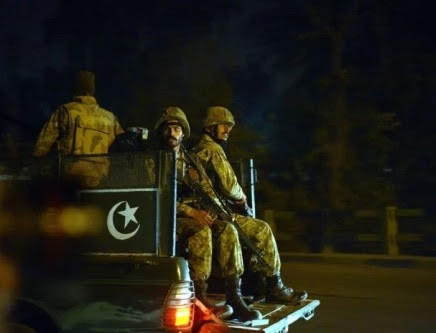
- Security forces killed 17 terrorists in intelligence-based operations (IBOs) across Mastung, Nushki, Khuzdar and Kech districts following a suicide attack on a shuttle train in Quetta (2.6.26).
- Five members of a family, including a father and son, were killed and one person injured in an armed clash between cousins over a land dispute in the Do-Bandi area of Qila Abdullah district (2.6.26).
- A tribal leader, Haji Abdul Bari Rekin, was shot dead and another person injured by armed men in Dalbandin Bazaar, Quetta (2.6.26).
- Five tribesmen were killed and two others injured in an armed attack at a hotel in the Mezi Adda area of Qila Abdullah district; the deceased were identified as Dad Mohammad, Abdul Mateen, Abdul Jabbar, Mohammad Raza and Islam (2.6.26).
- Police registered a case against the Leader of the Opposition and PkMAP Chairman, Mehmood Khan Achakzai, for allegedly spreading hatred against state institutions and criticising the government at a public gathering in Chaman. However, on his appeal, the Balochistan High Court (BHC), calling the matter political in nature, suspended implementation of the FIR against him until further orders (2,4.6.26).
- On 3–4 June, security forces killed six terrorists allegedly linked to the outlawed BLA/BLF during an operation in Panjgur district (5.6.26).
- A female doctor, Mahoor Nisar, at Quetta’s Civil Hospital was seriously injured in an alleged acid attack by a hospital employee, Hamyon Shah, who was later killed during an exchange of fire in a police encounter while reportedly trying to flee the city (6.6.26).
- Police recovered three bodies from separate locations in Gwadar and Kech districts on Saturday. Two of them, identified as Ustad Muhammad Siraj Kalanchi and Sardal, were found near Charbandan Cross in Pasni, while the third, identified as Ataullah, was recovered from the Dasht area of Kech district (6.6.26).
- Unidentified armed motorcyclists shot dead a private TV channel reporter, Lala Israr, in Musakhel district (7.6.26).
- Unidentified motorcyclists hurled a hand grenade at a bakery in the Killi Brahimzai area of Wadh, damaging the shop, though no casualties were reported (8.6.26).
- Three people were killed in a bomb blast near the Kaltak crossing area of Turbat district (9.6.26).
- Security forces killed 14 terrorists allegedly linked to an “Indian proxy” in the Naal area of Khuzdar district and destroyed their vehicles and explosives; however, a soldier, Lance Havildar Muhammad Abbas, was martyred during the exchange of fire (9.6.26).
- Unknown armed motorcyclists attacked and set on fire the Gilo police check post in the Dolangi area of Qila Abdullah district (10.6.26).
- Unidentified gunmen martyred a policeman, Syed Hassan Zarkoon, and injured two others during an attack on a police station in Duki district (10.6.26).
- Armed men set on fire six empty bowsers heading towards Taftan on the Iran border route after intercepting their convoy in the Mal area of Nushki district (10.6.26).
- The Balochistan High Court Bar Association (BHCBA) strongly condemned the armed attack on Abdullah, son of senior lawyer Waseem Advocate, in Quetta, demanded strict action against the perpetrators, and urged the government to crack down on armed groups and private guards across Balochistan (14.6.26).
Comments & Analysis: The fortnight’s incidents combine three distinct threat streams: separatist militancy (BLA/BLF and the “Indian proxy” operations), the suicide attack on the Quetta shuttle train, and a dense layer of tribal, land-dispute and targeted violence. The geographic spread — from Quetta and Qila Abdullah to Panjgur, Khuzdar, Turbat and Nushki — indicates pressure across both the Pashtun belt and the Baloch heartland.
The grenade attack, convoy interception and check-post burning point to sustained low-cost harassment of security and logistics infrastructure, while the Achakzai FIR and the BHCBA statement underline rising friction between the provincial administration and political and legal actors. Security gains from the IBOs are real but appear reactive, suggesting the need to pair kinetic operations with political outreach and protection of soft civilian targets.
Gilgit-Baltistan (GB)
The Legislative Assembly elections in Gilgit-Baltistan (GB) were held on 7 June. According to interim results from 24 constituencies, the Pakistan Peoples Party (PPP) won 11 seats, the Pakistan Muslim League–Nawaz (PML-N) secured 6, Pakistan Tehreek-e-Insaf (PTI)-backed candidates won 2, Majlis Wahdat-e-Muslimeen won 1, and independents took 4, while final results awaited re-polling in five constituencies. Delegations of the PPP and the PML-N subsequently met in Gilgit-Baltistan to discuss forming a government. PPP Chairman Bilawal Bhutto Zardari welcomed Prime Minister Shehbaz Sharif’s support for a PPP-led government in GB after the party won 11 of 24 seats, with the PML-N agreeing to sit in opposition but backing the PPP in the vote while securing the governor and deputy speaker posts under a consensus arrangement (7,11,12.6.26).
Comments & Analysis: A PPP-led government backed by the PML-N mirrors the federal coalition alignment and should ensure smoother coordination between GB and Islamabad. The trade-off — opposition status for the PML-N in exchange for the governorship and the deputy speaker’s office — reflects seat-sharing pragmatism rather than a genuine contest, though the pending re-polling in five constituencies could still alter the final balance and test the durability of the consensus.
Khyber Pakhtunkhwa (KP)
- The bullet-riddled body of a man, Israrullah — who had been kidnapped four days earlier, on 27 May, from his hujra by unidentified armed men on accusations of working for state institutions — was found dumped near Qismatabad Chowk in Bannu (31.5.26).
- Gunmen killed a poet and former government teacher, Abdur Rehman alias Amn, in his home town of Pishlor in Shangla district (1.6.26).
- Unknown miscreants blew up a gas pipeline using explosive material in the Kaski Akhundan area of Miryan, Bannu district (1.6.26).
- Two women were injured when a mortar shell fired from an undisclosed location hit them in a village of Salarzai tehsil, Bajaur district (1.6.26).
- Unidentified assailants shot dead a trader, Niaz Muhammad, in Shingas Market, Khar bazaar, Bajaur district (1.6.26).
- Three members of a family — Arshad Jalal, Nusrat and Mustafa — were killed by unidentified assailants inside their home in Sheikh Maltoon Town, Mardan (3.6.26).
- On 3–4 June, security forces killed four terrorists allegedly linked to the defunct TTP in separate operations — two each in Dera Ismail Khan and Mohmand districts (5.6.26).
- Police destroyed terrorist hideouts in a forested area near Wanda Painda Khan, Lakki Marwat district (5.6.26).
- Two sons of tribal elder Malik Jamil Wazir were killed by unidentified armed men near Kari Kot Bazaar in Wana tehsil of South Waziristan district (5.6.26).
- A large quantity of narcotics, including 23 maunds of hashish and 65 kg of crystal meth (ice) seized in various raids and operations, was destroyed within the jurisdiction of City Police Station in Kurram district (6.6.26).
- Security forces killed 27 suspected outlawed TTP-linked militants during an exchange of fire at multiple locations in the Miranshah area of North Waziristan district (7.6.26).
- Security forces killed two terrorists during an IBO in the Garah Madah area of Daraban tehsil, Dera Ismail Khan district (8.6.26).
- A quadcopter carrying explosives struck an oil and gas plant in Banda Daud Shah, Karak district, causing damage but no loss of life (9.6.26).
- Journalist Yasir Ayaz, who had gone missing from Islamabad four days earlier, was recovered unconscious from the Charbagh area of Swabi district (10.6.26).
- An alleged militant, Shahid — a close associate of militant commander Akhter Muhammad — was reportedly killed during an operation near Kangar Bridge in Bannu district (12.6.26).
- Two bodies were recovered from Domel Link Road in Bannu, identified as Ghazi Marjan and Parvez from Wanda Sarai Naurang, Lakki Marwat district, who had allegedly been abducted and later killed by unknown armed assailants (12.6.26).
- A suicide blast near a mosque killed an 8-year-old girl and a 25-year-old man and injured several others in the Kherukhel Pacca area of Lakki Marwat district; the attacker was reportedly killed by armed villagers before he could reach the mosque (12.6.26).
- Unknown miscreants attempted to destroy the Teri Ram Bridge on Miryan Road in Bannu with explosives, causing partial damage to the bridge and a nearby mosque (12.6.26).
- Security forces killed 21 suspected terrorists, including four commanders identified as Khalid Raza alias Salar, Muftoon, Musa and Imran alias Ayan, allegedly linked to the banned TTP, during operations conducted over the previous 72 hours in Miranshah and surrounding areas of North Waziristan district (13.6.26).
- Police claimed to have foiled a terrorist attempt after a tip-off led to an exchange of fire in the Chandmari area, though the attackers escaped; in a separate attack in Azad Mandi a contractor was injured and his companion was kidnapped in Bannu district (13.6.26).
- A suicide blast in Kherukhel Pacca, Lakki Marwat, killed two people, including an eight-year-old girl, and injured several others (12.6.26).
- Police Constable Mohammad Roshan was reportedly martyred after being shot by armed men outside his residence in the Saidgi Bakakhel area of Bannu (12.6.26).
- Unknown gunmen martyred Police Constable Mishkat Amir near Hamza Tablighi Mosque in Bannu’s Azad Mandi area (12.6.26).
- Unidentified terrorists killed a passer-by and injured three policemen during an attack on a police checkpost in the Mirbagh area of Central Kurram district (14.6.26).
Comments & Analysis: KP remains the most kinetically active theatre, with operations in North Waziristan alone accounting for a large share of the militants killed (27, 21 and others) alongside the elimination of named TTP commanders. The pattern of attacks — suicide blasts, IED strikes on bridges and pipelines, a quadcopter strike on an energy facility, targeted killings of police and abductions of those accused of links to state institutions — shows the TTP combining conventional militancy with emerging drone tactics and an intimidation campaign.
The repeated recurrence of Bannu and Lakki Marwat across multiple entries identifies these districts, along with Bajaur and Kurram, as the current epicentre of the insurgency. The two attempted attacks on a mosque thwarted by armed villagers also suggest a degree of local community resistance that the state could seek to reinforce.
Punjab
- The Punjab government has extended the Section 144 ban on flying drones in open areas across the province for 30 days on security grounds, while allowing limited indoor use of small drones at events under the strict responsibility of organisers (2.6.26).
- According to Ghazi Muhammad Salhauddin, around 945 Katcha-area criminals in Rahim Yar Khan and Rajanpur have surrendered, laid down their arms and pledged to abide by the law. The Punjab Police plans to rehabilitate nearly 1,000 surrendered individuals through a Rs23 billion welfare package, while reviewing legal cases and supporting resettlement based on cooperation and the nature of offences (2.6.26).
- The Lahore High Court upheld the convictions and sentences of Abid Ali alias Malhi and Shafqat Ali alias Bagga in the 2020 Sialkot–Lahore Motorway gang-rape case. The two men were convicted of the gang rape of a French woman of Pakistani origin in front of her children after stopping her on the motorway during a late-night journey (4.6.26).
- Three members of the Ahmadiyya community were injured, one critically, when an unidentified gunman opened fire outside a place of worship in Chenab Nagar (formerly Rabwa), Chiniot district. Police registered a case under attempted-murder and anti-terrorism laws (6.6.26).
- CTD police claimed to have killed two alleged TTP-linked militants during an exchange of fire in the Koh-i-Sulaiman area of D.G. Khan district (6.6.26).
- Three suspects involved in last month’s attack on PML-N MPA retired Col Sardar Ayub Khan Gadhi were killed in an alleged CCD police encounter near Chak 184 GB-Rajana in Toba Tek Singh district, after they reportedly opened fire on a patrol team (8.6.26).
- As the crackdown on Afghan nationals continues, about 60 police personnel, including Elite Force units, have been deployed for security at a holding centre in Dhok Syedan, Rawalpindi; 6,668 Afghans have been detained and 6,641 deported after the voluntary-return deadline expired (8.6.26).
- Rawalpindi authorities have set up special police checkpoints at key entry and exit points to Azad Kashmir — including Azad Pattan, Kohala, Holar Bridge, Dhan Gali and Mangla — amid unrest in the region (12.6.26).
- Two suspects involved in robberies on the night of 10 June were killed in an encounter with the CCD police, while a CCD official was arrested over a separate incident in which officers allegedly opened fire on a family vehicle in a case of mistaken identity, killing a 9-year-old girl and injuring her father and brother during a robbery situation (14.6.26).
- A coach of the Havelian-bound Hazara Express caught fire at Sadiqabad Railway Station in Rahim Yar Khan district; the blaze was later extinguished by Rescue 1122 responders (14.6.26).
- Two police officials, Mudsar Mehmood Jaskani and Ghulam Abbas Sikhani, were martyred and five others injured in a suicide attack when an explosives-laden vehicle rammed the Jhangi police checkpoint near Wahova in Taunsa tehsil of Dera Ghazi Khan district (14.6.26).
Comments & Analysis: Although Punjab remains comparatively stable, the fortnight shows militancy seeping into its south-western fringe: the D.G. Khan CTD encounter and the suicide attack on the Jhangi checkpoint in Taunsa reflect spillover from the KP and Balochistan tribal belt along the Koh-i-Sulaiman corridor.
The Katcha amnesty-and-rehabilitation drive and the extended drone ban indicate a preventive, governance-led posture, while the Ahmadiyya shooting and the two contested CCD encounters — including the death of a nine-year-old child — point to persistent communal-violence and police-accountability concerns. The large-scale detention and deportation of Afghans ties Punjab firmly into the national repatriation policy.
Sindh
- Unknown assailants shot dead a man, Shoukat Ali, and injured a passer-by in the Manghopir area of Karachi (2.6.26).
- A massive fire in the Tayyab Goth area of Gulshan-i-Iqbal, Karachi, destroyed around 100 huts and over 20 rickshaws and motorcycles; authorities said the cause was under investigation, while residents suspected a gas-cylinder blast (5.6.26).
- Police said two suspected robbers, Ali Badar alias Shooter and Numan alias Nomi Burmi, were arrested in a wounded condition after an encounter in North Karachi, with one suspect allegedly having prior involvement in sectarian militancy and explosives training (5.6.26).
- A local Pakistan Peoples Party leader, Ghulam Hussain Kalhoro, and his driver were shot dead in an apparent targeted attack in Pannu Aqil, Sukkur district (13.6.26).
- The CTD police in Karachi claimed to have arrested a suspect, Tahir, accused of supplying drone technology, electronic components and mobile phones to the banned TTP on the instructions of his Afghanistan-based brother, a wanted TTP member. Authorities allege that the equipment — sourced from Karachi markets and online platforms — was intended for drone attacks, IEDs and suicide jackets (13.6.26).
- Two men, Shahid Suhail and Bedar Ali, were shot dead by unidentified assailants in separate incidents across Karachi (14.6.26).
Comments & Analysis: Karachi’s violence remains largely criminal and targeted rather than organised insurgency, but item 5 is strategically significant: the arrest of a TTP procurement suspect sourcing drone and IED components from Karachi markets and online platforms shows the city functioning as a logistics and supply node for militancy in KP.
The targeted killing of a PPP leader in Sukkur and the recurrence of suspects with sectarian-militancy backgrounds warrant continued monitoring, as they indicate that political and sectarian violence persists alongside ordinary street crime.
Security
The federal government has reportedly sought feedback from all police departments for the National Internal Security Policy 2026–30, which aims to centralise police operations, improve inter-provincial intelligence sharing, integrate crime data and curb terror financing. The proposals will be discussed at an upcoming National Police Management Board meeting under the National Police Bureau, with input from the provincial, AJK and Gilgit-Baltistan police chiefs, as the bureau takes on a larger role in national policing reforms, Dawn reported (4.6.26).
Comments & Analysis: The proposed 2026–30 policy signals a move towards greater centralisation of policing — a constitutionally provincial subject — with terror financing and integrated crime data as priorities. Its success will hinge on provincial buy-in, since centre–province friction over policing authority has historically slowed comparable reforms; the inclusion of AJK and GB police chiefs suggests an intent to build a genuinely national framework.
Defence
Army
- Lebanese Armed Forces Commander-in-Chief General Rodolphe Haykal met COAS and CDF Field Marshal Syed Asim Munir at GHQ Rawalpindi; both sides discussed regional security, defence cooperation and the strengthening of military-to-military relations between Pakistan and Lebanon (9.6.26).
- Bahrain National Guard Commander General Shaikh Mohammad bin Isa bin Salman Al Khalifa met Pakistan’s top military leadership — including the COAS and CDF and the Air and Naval Chiefs — in Rawalpindi and Islamabad, discussing regional security and the expansion of defence cooperation, training and collaboration in emerging military technologies between Pakistan and Bahrain (9.6.26).
- Turkish Land Forces Commander General Metin Tokel visited Pakistan and met the COAS and CDF at GHQ Rawalpindi and the other service chiefs at NHQ and AHQ, discussing bilateral defence cooperation, regional security and the strengthening of military ties between Türkiye and Pakistan (11.6.26).
- An Mi-17 helicopter of Pakistan Army Aviation crashed near Muzaffarabad during take-off due to a technical fault, with all personnel on board martyred and no survivors. The Namaz-e-Janaza for the shuhada was later offered at Chaklala Garrison, Rawalpindi, and was attended by the Prime Minister, the COAS and CDF, federal ministers, senior civil and military officials, the families of the martyrs and members of society (10,11.6.26).
- A nine-member Pakistan Military Academy (PMA) team led by Major Haider Gulzar won first place overall, along with the Best Pace Sticker and Best Driver awards, at the 2026 International Pacesticking Competition held at the Royal Military Academy Sandhurst in the UK, competing against 16 international military teams (12.6.26).
Navy
- The first Chinese-built submarine, PNS/M Hangor, arrived in Karachi on 12 June 2026, marking a major milestone in the Pakistan Navy’s modernisation and in Pakistan–China defence cooperation. The submarine is expected to strengthen Pakistan’s maritime defence and regional security (11.6.26).
Air Force
- A Pakistan Air Force trainer aircraft crashed near Mardan during a routine training sortie, resulting in the martyrdom of Flight Lieutenant Muhammad Qasim Abdullah (PAF) and Lieutenant Taha Abbasi (Pakistan Navy) (15.6.26).
Comments & Analysis: The cluster of high-level visits — Lebanon, Bahrain and Türkiye within days — underscores Pakistan’s active military diplomacy across the Gulf and the Mediterranean, with technology and training cooperation as recurring themes. The arrival of PNS/M Hangor marks a concrete step in the China-backed expansion of Pakistan’s undersea capability and a long-term shift in the maritime balance.
Set against these gains, three aviation losses in a single fortnight — the Mi-17 crash near Muzaffarabad and two trainer-aircraft fatalities near Mardan — highlight persistent flight-safety and ageing-platform concerns that merit attention alongside the modernisation drive.
Diplomatic Development, Economy and Significant Events
- Pakistan and India exchanged sharp remarks at the UN Security Council during the presentation of the 2025 Annual Report over the Kashmir issue. India’s envoy, Harish Parvathaneni, rejected Pakistan’s stance, stating that Jammu and Kashmir is an integral part of India and accusing Pakistan of misusing the UN platform. Pakistan’s Ambassador, Asim Iftikhar Ahmed, accused India of misleading the Council and called for a UN-backed settlement based on the right of self-determination for the people of Kashmir (5.6.26).
- Interior Minister Mohsin Naqvi and Russian Interior Minister Vladimir Kolokoltsev signed agreements to boost cooperation against illegal immigration and drug trafficking. The deal was concluded during the SCO interior ministers’ meeting in Bishkek, Kyrgyzstan. Naqvi also held separate meetings with his counterparts from Tajikistan, Uzbekistan, Kyrgyzstan and Kazakhstan (5.6.26).
- Pakistan’s Foreign Office (FO) warned that any deliberate attempt by India to block water essential to Pakistan’s survival and development would have far-reaching consequences and could amount to an act of war under Article 51 of the UN Charter. The FO rejected the use of water as a political tool, vowed to defend Pakistan’s water rights through all available means, and urged India to honour its international commitments and avoid escalating regional tensions. It further stated that the reported expansion of India’s nuclear arsenal confirmed Pakistan’s long-standing concerns about India’s strategic build-up and warned that it could undermine regional and global peace, security and strategic stability (11.6.26).
Comments & Analysis: Analysts believe Pakistan must accelerate water-storage and hydropower projects such as the Mohmand Dam, the Diamer-Bhasha Dam and the Dasu Hydropower Project to strengthen water, energy and food security amid climate change and rising demand. Reported delays in Chenab River reservoirs, funding shortages and the continued closure of the Neelum-Jhelum Hydropower Project underscore the need for faster investment, while additional reservoirs could help manage floods, support irrigation and boost fisheries.
The water issue has gained urgency following India’s suspension of the Indus Waters Treaty, prompting calls for sustained diplomacy to safeguard Pakistan’s downstream rights — a theme now linked to the broader India–Pakistan contest aired at the UNSC. The parallel outreach to Russia and Central Asian states through the SCO reflects an effort to broaden security and counter-narcotics partnerships beyond Pakistan’s traditional allies.
REGIONAL
Afghanistan
Law and Order / Security
- Mohammad Yaqoob Mujahid stated that Afghanistan would deter future Pakistani attacks and would soon implement a technical military-cooperation agreement with Russia for the maintenance of Russian-made weapons, while emphasising the need for an air-defence system amid tensions linked to the proscribed TTP. Meanwhile, unexploded-ordnance incidents killed nine people, including seven children, in Paktia and Paktika provinces, and the United Nations Population Fund confirmed the death of its staff member Freshta Emady in Kabul (30.5, 4,5,9.6.26).
Diplomatic Development
- The head of the Russian Business Centre in Kabul, Rustam Khabibullin, proposed visa-free travel between Russia and Afghanistan to boost trade, investment and tourism as bilateral ties expand through diplomatic engagement and military-technical cooperation, including the maintenance of Russian-made equipment such as Mi-17 helicopters and KamAZ trucks. The Belarus Defence Minister, Viktor Khrenin, warned at the Collective Security Treaty Organization (CSTO) meeting that Afghanistan–Pakistan tensions could fuel extremism and humanitarian risks, while Russia backed reviving the SCO–Afghanistan Contact Group to strengthen regional cooperation; Afghan authorities reiterated that their territory would not be used against other countries. Separately, the US deported around 20 migrants — including citizens of Afghanistan, Iran, Iraq and Armenia — to the Central African Republic, a move that raised concerns given that country’s ongoing conflict, instability and a high-level US travel warning (4,12,13.6.26).
Pakistan–Afghanistan Relations
- (a) Pakistan’s and China’s Special Envoys for Afghanistan, Mohammad Sadiq and Yue Xiaoyong, reportedly held talks on the Urumqi Process, regional security and counter-terrorism cooperation, focusing on threats from the TTP and ETIM. Sadiq also met Gilles Bertrand to discuss terrorism, including TTP and BLA activities, while reaffirming the need for coordinated regional engagement. Pakistan again alleged that militant attacks originate from Afghanistan — a claim denied by the Taliban-led Islamic Emirate of Afghanistan (IEA). According to unconfirmed reports, representatives from Afghanistan and Pakistan met in Istanbul on 8–9 June for the “Second Afghanistan–Pakistan Track 1.5 Dialogue,” facilitated by Türkiye and Qatar, to improve communication, build trust and promote regional stability amid ongoing tensions (Ariana News, 2,10.6.26).
- (b) Pakistan’s Federal Information Minister, Attaullah Tarar, stated that, following terrorist attacks on security forces and police in Bannu and Bajaur on 9 May and on 2 and 9 June, Pakistan carried out intelligence-based precision strikes near the Pakistan–Afghanistan border, reportedly killing 26 militants and destroying four facilities linked to outlawed TTP commanders Aleem Khan Khushali and Akhtar Muhammad Janikhel. Meanwhile, IEA spokesperson Zabihullah Mujahid accused Pakistan of conducting airstrikes in Kunar, Khost and Paktika provinces, alleging that civilian residents were killed and injured. The IEA Foreign Ministry also reportedly summoned the Pakistani Embassy’s Chargé d’Affaires in Kabul to lodge a strong protest over the alleged 9 June airspace violation and bombing of civilian homes, which it said killed 13 people — including 11 women and children — and injured 14 others (10.6.26).
Comments & Analysis: The fortnight captures the core Pakistan–Afghanistan dynamic in miniature: Pakistani cross-border precision strikes against TTP commanders, matched by IEA protests over alleged civilian casualties in Kunar, Khost and Paktika. This is the same notification-versus-sovereignty tension that defines the relationship, with each side framing the other as the aggressor.
Kabul’s deepening military-technical ties with Russia and Belarus, and its stated interest in acquiring an air-defence system, suggest a search for external balancers against Pakistani air power. At the same time, parallel Track 1.5 diplomacy in Istanbul and China’s mediation through the Urumqi Process show that engagement channels remain open even amid kinetic exchanges — a coexistence of pressure and dialogue likely to persist.
China — Chinese President’s Visit to North Korea
Chinese President Xi Jinping’s two-day visit to North Korea, beginning 9 June, strengthened bilateral ties and boosted Kim Jong-un’s international standing. Analysts said the visit highlighted China’s growing focus on strategic and economic cooperation while reportedly avoiding sensitive issues such as denuclearisation. Earlier, North Korean leader Kim Jong-un had called for expanding the country’s nuclear arsenal, while his influential sister, Kim Yo-jong, reaffirmed that North Korea would never abandon its nuclear programme. The visit also reflected China’s effort to maintain influence amid North Korea’s closer ties with Russia and rising regional tensions (10.6.26).
Comments & Analysis: Chinese President Xi’s visit reaffirms Beijing’s intent to keep Pyongyang within its orbit as the China–Russia–North Korea alignment tightens. By sidestepping denuclearisation, China is prioritising strategic solidarity over non-proliferation — a posture that complicates US and regional efforts and has indirect implications for the wider Asian security balance in which Pakistan is a close Chinese partner.
Illegally Indian-Occupied Jammu and Kashmir (IIOJK) / LoC
- Lt Gen P.K. Mishra of 16 Corps reviewed the 11th day of Operation Sheruwali in the Gambhir Mughlan area of Rajouri, where security forces are continuing efforts to track suspected militants. The joint operation by security forces and police, launched on 23 May, remains ongoing (3.6.26).
- National Conference President Farooq Abdullah (father of the current IIOJK Chief Minister, Omar Abdullah) said his party would protest in New Delhi during the Monsoon Session to demand the restoration of Jammu and Kashmir’s statehood, with voluntary participation from other parties. He criticised the union-territory system for its limited powers, urged a continued constitutional struggle and called on the UN to investigate the unrest in Pakistan-administered Kashmir (12.6.26).
Comments & Analysis : The prolonged Operation Sheruwali underlines that anti-militancy operations in the Rajouri–Poonch belt remain unresolved despite India’s heavy security posture. Farooq Abdullah’s statehood campaign keeps the constitutional-status grievance politically alive, while his call for a UN probe into AJK both mirrors and counters India’s own criticism of Pakistan — a reminder that each side actively leverages the other’s internal unrest in the diplomatic arena.
India
Law and Order / Security
The Tehreek-e-Taliban Hindustan (TTH) reportedly emerged in 2026, claiming attacks on police in the Gurdaspur and Amritsar districts of Indian Punjab, though its existence and origins remain disputed, with no independent verification and competing claims about propaganda or covert creation. Indian Punjab authorities also arrested six people, including an Afghan national, Baz Mohammad, in a drug- and arms-trafficking case, amid concerns over organised crime, extortion and gang-related violence in the region (1,5.6.26).
Defence
- Defence Secretary Rajesh Kumar Singh visited the Leh sector in Ladakh (5–6 June 2026) to review operational preparedness, border infrastructure and logistics, interact with troops in forward areas and assess the security situation and capability-enhancement measures with senior military leadership at 14 Corps, part of the Indian Army’s Northern Command (5–6.6.26).
- Air Marshal Ashutosh Dixit has been appointed the next Vice Chief of the Air Staff in the Indian Air Force and will succeed Air Marshal Nagesh Kapoor on 1 July 2026, while Lt Gen Rajesh Sethi has assumed command of the Delhi-based capital-area region (5,12.6.26).
- The two-day Formation Commanders’ Conference, chaired by Majinder Singh, focused on assessing operational readiness with emphasis on niche technologies, cyber operations, focused training, capability enhancement and leadership development (5–6 June 2026).
- COAS General Upendra Dwivedi unveiled the Indian Army Strategic Guidelines 2047, aimed at transforming the force into a technology-driven, future-ready military through reforms, multi-domain operations and advanced digital warfare aligned with “Viksit Bharat.” He later visited Western Command to review operational readiness, emphasising the integration of emerging technologies, innovation and data-centric warfare, particularly for security challenges along the Punjab border with Pakistan (6,11.6.26).
- Unconfirmed reports suggest India is advancing a military restructuring by replacing 17 separate army, navy and air-force commands with Integrated Theatre Commands, including a Northern (China-focused, Lucknow), a Western (Pakistan-focused, Jaipur) and a Maritime (Indian Ocean, Thiruvananthapuram) command. The plan also includes a Joint Operations Control Centre and a tri-service drone-warfare hub to improve coordination, but it remains pending approval amid debate over its strategic impact and the balance between defensive and offensive capabilities (12.6.26).
- India is reportedly planning a major military drone procurement worth over $2 billion (€1.7 billion) — its largest unmanned-systems order — involving domestic firms such as the Adani Group, Tata Advanced Systems and Larsen & Toubro, and start-ups such as ideaForge and Asteria Aerospace. The drones, intended for intelligence, surveillance, logistics and precision-strike roles, are expected to be deployed along sensitive borders including the Line of Actual Control with China, the borders with Pakistan and Bangladesh, and in the Indian Ocean region (12.6.26).
Diplomatic Development, Economy and Politics
- The founder of India’s Cockroach Janta Party, Abhijeet Dipke, arrived in New Delhi to lead protests against Prime Minister Narendra Modi’s government as police were deployed near Jantar Mantar amid calls for the resignation of Education Minister Dharmendra Pradhan. The movement — which has around 22 million Instagram followers — has become a major online dissent platform driven by youth unemployment, while senior minister Kiren Rijiju accused it of seeking support from Pakistan and the “anti-India gang” (6.6.26).
- External Affairs Ministry spokesperson Randhir Jaiswal said India was continuing to watch the situation and violence in Azad Jammu and Kashmir and criticised Pakistan for its actions there, accusing it of human-rights abuses and urging the international community to hold Islamabad accountable following the reported deaths and injuries during the protests (9.6.26).
Comments & Analysis: India’s defence agenda this fortnight is markedly future-oriented: the Strategic Guidelines 2047, the theatre-command restructuring and a record drone-procurement plan together signal a long-horizon shift towards technology- and drone-centric, multi-domain warfare explicitly oriented towards the China and Pakistan fronts. For Pakistan, the dedicated Pakistan-focused Western theatre command at Jaipur and the planned drone deployment along the shared border are the most directly relevant developments.
The reported TTH claims in Indian Punjab and the arrest of an Afghan national in a narcotics-and-arms case echo, in reverse, the cross-border-militancy narrative Pakistan itself faces. New Delhi’s vocal commentary on AJK shows it leveraging Pakistan’s internal unrest diplomatically, even as the Modi government manages a growing, youth-driven domestic protest movement at home.
Iran
Law and Order / Security
- Iranian authorities said unauthorised demonstrations by foreign nationals, including Afghan migrants, are illegal and require prior government approval, failing which participants may face legal consequences under Iranian law (12.6.26).
Iran–US / Israel Conflict and Peace Negotiations
- Iran, the US and Israel exchanged military strikes across the Gulf and the wider Middle East, including attacks near the Strait of Hormuz and in Bahrain, Kuwait, Jordan and Israel. Iran threatened retaliation, while the US claimed its operations had weakened Iran’s missile capabilities and that it was considering using frozen Iranian assets to support its Gulf allies. At the same time, peace efforts continued: Pakistan’s Interior Minister Mohsin Naqvi visited Tehran with a message from Prime Minister Shehbaz Sharif and Field Marshal Syed Asim Munir. Despite the escalation, President Donald Trump said nuclear talks were progressing and that Iran had agreed not to pursue nuclear weapons, while negotiations continued on sanctions relief, frozen funds and a possible interim deal amid rising regional tensions affecting oil and shipping (3,7,10.6.26).
- The US and Iran said negotiations to end their conflict were close to a breakthrough, though not yet finalised. Iranian Foreign Minister Abbas Araghchi and other officials were optimistic that a peace agreement was near but said it still required approval and internal consultation. President Trump expressed optimism, while reports suggested the discussions included the release of frozen Iranian assets and preparations for a possible signing. Trump and PM Shehbaz Sharif reportedly announced that an Iran–US peace deal could be concluded very soon, with Pakistan preparing to sign the initial agreement electronically (12,13.6.26).
- US and Iranian officials reportedly agreed on a framework to end the war, lift the blockade and reopen the Strait of Hormuz, while leaving Iran’s nuclear issue for further talks, with Donald Trump calling the deal “complete.” PM Shehbaz Sharif also reportedly said a peace deal had been reached to end military operations, including in Lebanon, with a signing ceremony planned in Switzerland on 19 June 2026. The agreement remains preliminary, however, with major issues unresolved — including Iran’s uranium enrichment, its enriched-uranium stockpile, sanctions relief and possible US congressional approval. Financial markets reacted quickly, with oil prices dropping on eased supply fears and global stock markets rising on the news.
Comments & Analysis: Analysts say the initial US–Iran peace deal — mediated by the efforts of Pakistan, Qatar and other friendly countries — has brought relief to a world concerned that escalation could trigger a wider conflict drawing in China and Russia. Oil prices fell to their lowest since March after Trump and Iranian officials announced the initial deal to end the war and reopen the Strait of Hormuz, with Trump saying the strait would be “toll free” and that the US blockade of Iranian ports would end.
The conflict had also become a political liability for Trump and fellow Republicans amid rising gas prices and public concern, even as some party members demanded the complete dismantling of Iran’s nuclear programme. Gulf states — particularly the UAE, Bahrain and Kuwait — are likely to welcome the agreement despite their rivalries and security concerns, reassured by the continued presence of US and British bases and troops in the region.
If implemented successfully, the agreement could help Iran rebuild its damaged military and civilian infrastructure, revive its economy, attract investment and expand trade following sanctions relief and the release of frozen assets, while creating opportunities for the US, Western states and Israel to deepen economic and strategic partnerships in the Gulf. Even so, future Israeli strikes on Iranian, Lebanese or Palestinian targets cannot be ruled out, potentially drawing the US back in; the conflict may be paused rather than resolved unless an independent Palestinian state is created with the peaceful rehabilitation of the people of Gaza. Pakistan’s facilitation role, meanwhile, enhances its diplomatic standing.
Middle East
Kuwait accused Iran of a drone strike on its international airport that caused injuries and damage and led to the suspension of flights. GCC states — including the UAE, Bahrain, Saudi Arabia and Oman — strongly condemned the reported Iranian attacks on Kuwait and Bahrain, with Bahrain claiming it had intercepted missiles and drones targeting civilian sites. Amid rising tensions, President Donald Trump and Israeli PM Benjamin Netanyahu reportedly acknowledged slight disagreements over regional escalation but reaffirmed their cooperation on Iran. Meanwhile, Israel and Lebanon agreed to a US-brokered ceasefire requiring Hezbollah’s withdrawal from southern Lebanon, with France backing efforts to stabilise the truce. The US also approved a potential $1.98 billion sale of counter-drone defence systems to Kuwait to strengthen Gulf security (3,4,5.6.26).
Comments & Analysis: The drone strike on Kuwait’s airport and the missile attacks on Bahrain show how quickly the Iran conflict spilled onto Gulf civilian infrastructure, hardening GCC solidarity against Tehran. The Israel–Lebanon ceasefire requiring Hezbollah’s withdrawal and the $1.98 billion US counter-drone sale to Kuwait point to a parallel track of de-escalation and rearmament, consolidating the US security umbrella in the Gulf even as the underlying disputes remain unresolved.
United States
The US Defense Department restricted journalists’ access to the Pentagon by reclassifying parts of the press area as a sensitive facility, drawing criticism from media groups over transparency concerns. The US Trade Representative proposed new tariffs on 60 economies — including Pakistan and India — over alleged failures to address forced labour. Secretary of State Marco Rubio declined to confirm whether Israel possesses nuclear weapons, citing long-standing US policy on the issue. Meanwhile, a federal judge ruled that Trump-era immigration restrictions affecting nationals of 39 countries, including Afghanistan, violated federal law and must be reversed (2,3,5.6.26).
Comments & Analysis: Two items carry direct relevance for the region: the proposed USTR tariffs on 60 economies, including Pakistan, over forced-labour concerns could affect export access and warrant a trade-policy response, while the judicial reversal of immigration restrictions covering Afghan nationals may ease pressure on Afghan migrants seeking US entry. The Pentagon press curbs and Rubio’s non-confirmation on Israel’s nuclear status reflect a broader tightening of information control in Washington.
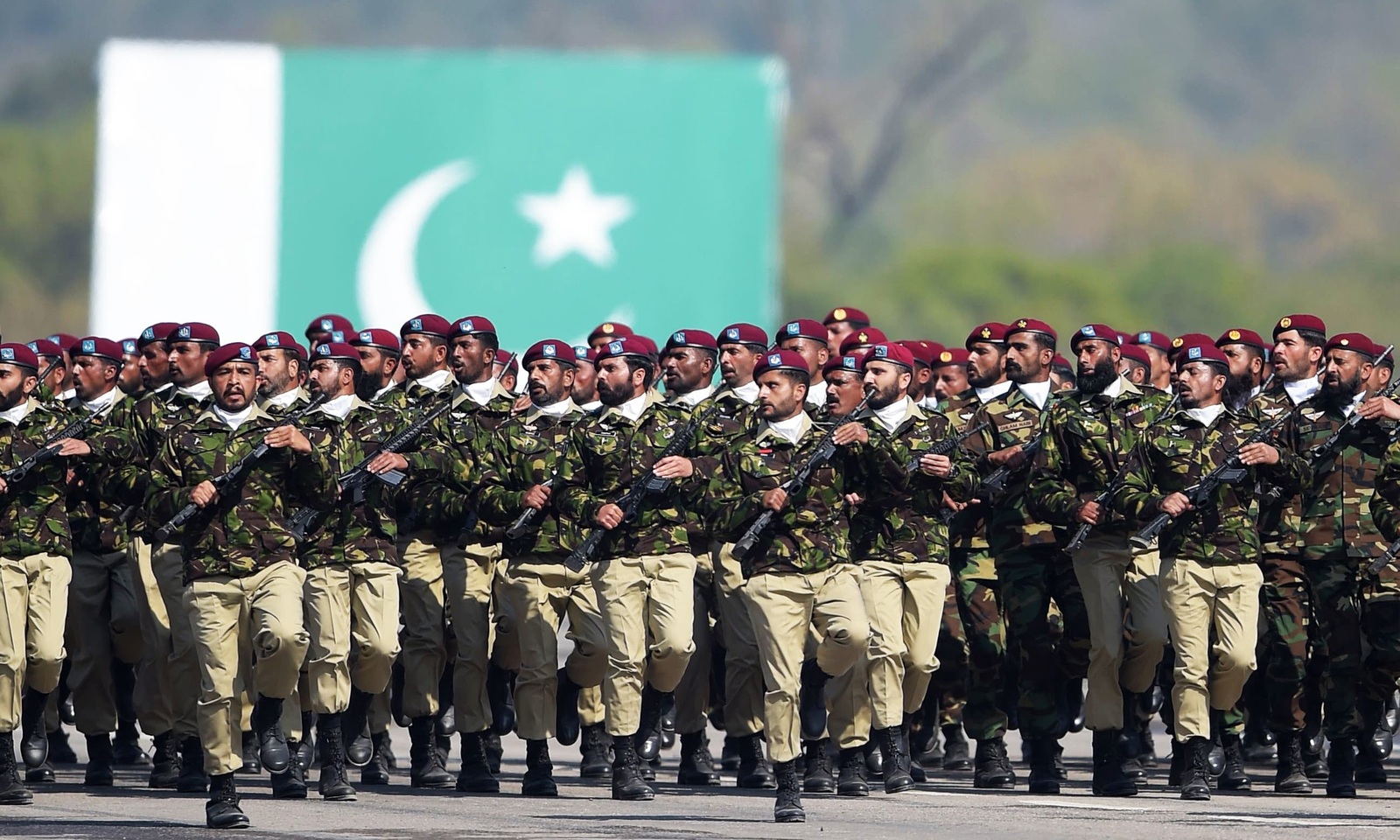
Every major incident in KP and Balochistan shows the cost of ignoring local democratic buy-in. Councillor-led intelligence, tribal responsibility, and municipal mechanisms would have sealed peace more cheaply and sustainably than repeated kinetic operations.
Recommendations
• Institutionalise Councillor Networks: Daily visits, two-way dialogue, and protection for informants through councillors to build trust and legitimacy.
• Tribal Responsibility for Infrastructure: Share bounty and responsibility with tribes for guarding pipelines, plants, and convoys — cheaper and more sustainable than federal deployments.
• Border Trade Reform: End duplicity by customs/security collusion; create transparent municipal trading hubs to reduce resentment.
• Civilian-Centric Security: Workplace violence committees, municipal arbitration councils, and shopkeeper associations to prevent escalation of criminal and militant incidents.
• Smart Local Policing: Replace knee-jerk force with procedural tact, quick pressers, and community reassurance to avoid media-driven crises.